
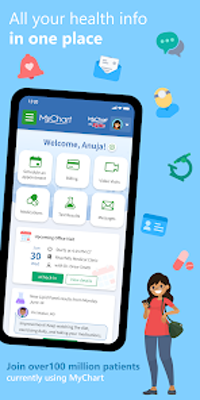
1 Epic's MyChart is the EHR surface clinicians navigate daily.
Public product context for the EHR workflow environment.
Case study
Implemented the clinical decision rules — Best Practice Advisories, order sets, and quality-measurement workflows — that fired during live clinical workflows across 100+ hospital go-lives. Proposed a company-wide escalation process for regulatory updates and critical bugs that was adopted across the organization.

Timeframe
2012–2013
Implemented the clinical decision rules — Best Practice Advisories, order sets, and quality-measurement workflows — that fired during live clinical workflows across 100+ hospital go-lives. Proposed a company-wide escalation process for regulatory updates and critical bugs that was adopted across the organization.
Context 1
Each hospital go-live required hundreds of clinical decision rules, but there was no systematic escalation path when regulatory updates or critical bugs landed mid-deployment. During go-lives, I saw how close a misrouted alert could come to burying a critical lab result — not as a hypothetical, but as a real risk that clinicians and implementation teams managed in real time. Diverse hospital policies made per-organization customization the default, creating maintenance debt that would compound across 100+ implementations.
The Decision
Proposed building reusable rule configurations rather than per-hospital customization. Automated Best Practice Advisories that triaged alerts between binding and advisory based on policy constraints, and a company-wide escalation process that gave regulatory updates and critical bugs a defined owner and response time.
What we did
Configured clinical decision-support rules in Epic's rule engine that mapped hospital policy constraints into automated triage logic — reducing alert fatigue without losing safety checks. Proposed the escalation process for regulatory updates and critical bugs and advocated for its adoption across Epic's internal teams. Supported named go-lives at Owensboro Health (hospital relocation) and UAMS, and coached 100+ hospitals as subject-matter expert.
Outcome
100+ hospital go-lives supported with configured clinical decision rules. The escalation process was adopted company-wide — the origin of the escalation-design philosophy I still practice.
Public product context for the EHR workflow environment.
End-to-end flow