Current work
NextConsensus estimates how likely a guideline, label, or coverage decision is to change by a set date. Ambit distinguishes the tools an agent can reach from the actions it is authorized to take.
Building now
Commercially offered · public forecast registry and review methodology; no resolved forecasts or paid engagements yet
NextConsensus
Registers a dated probability that the FDA, NICE, or a guideline committee acts by a team’s deadline. Each one is built from that body’s own review record and scored in public once the deadline passes.
How a program works →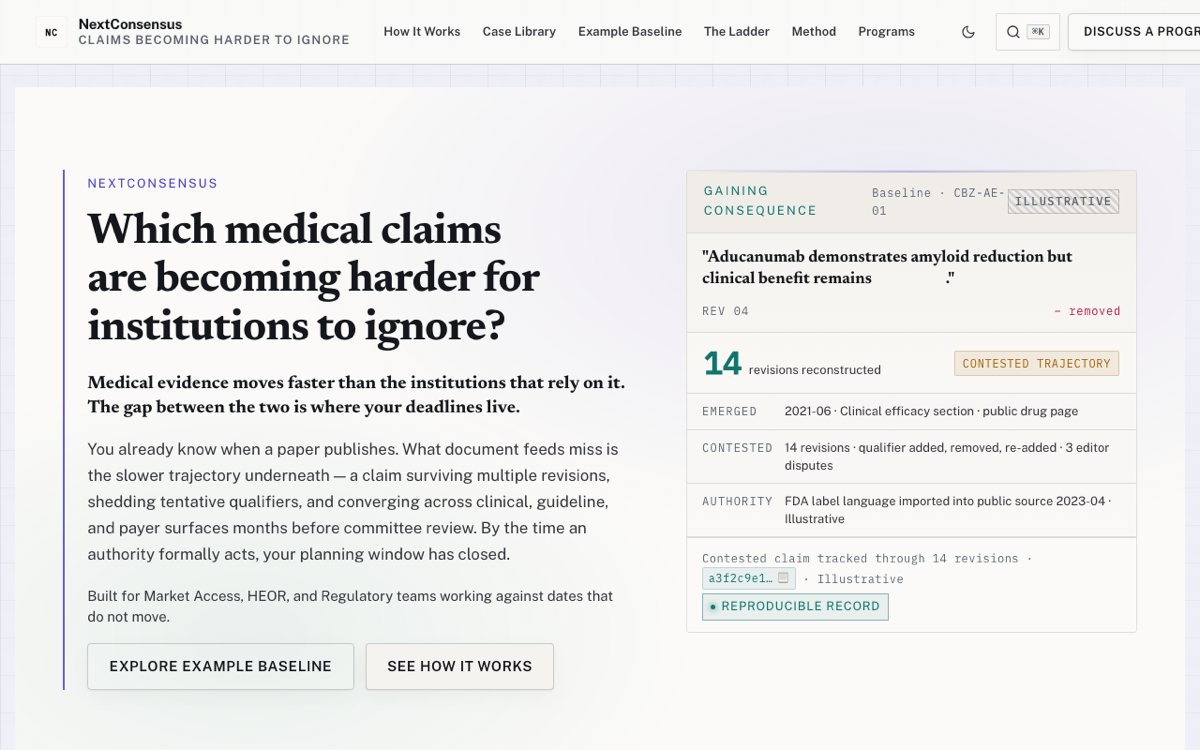
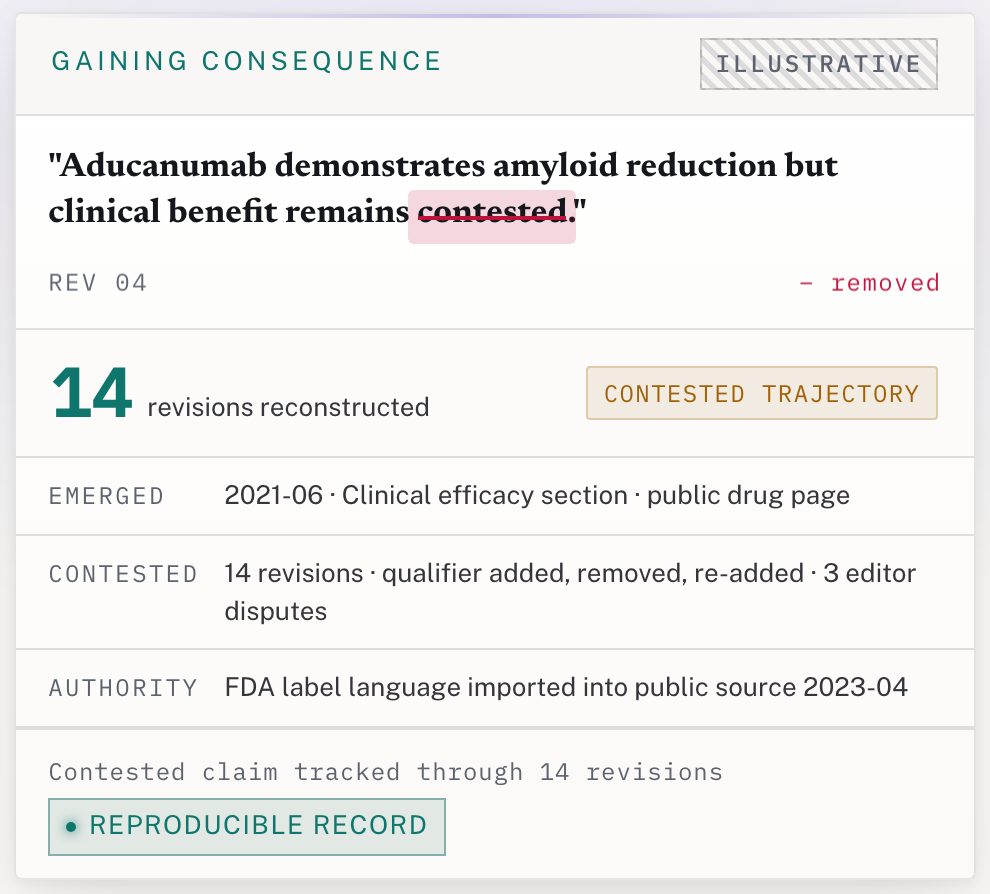
Forecasts are registered before deadlines pass. No registered forecast has resolved yet; predictive accuracy and client adoption remain unvalidated.
Experimental · open source, with a live demo and a roadmap that says what is not built
Ambit
Lets a person give an AI agent autonomy one action at a time rather than all at once. It records which tools the agent can use, which have passed their declared checks or run without error, and which the person has allowed it to use.
See the code →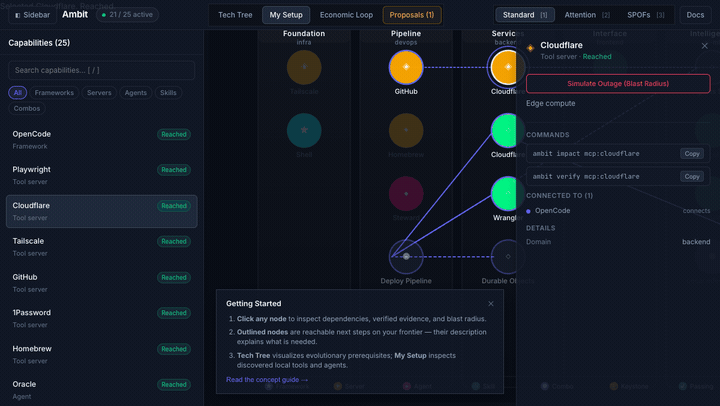
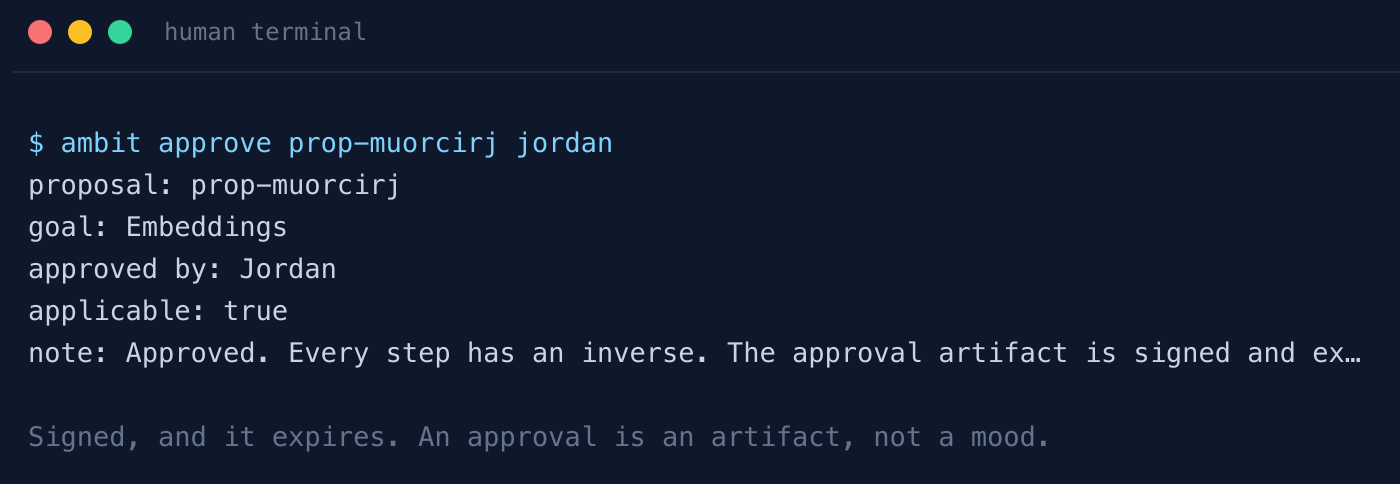
The gate checks actions when a runtime calls it. The downstream environment is simulated; Ambit does not compel other runtimes to use the gate.
- Built
- A local SQLite capability graph, CLI, MCP server, and browser view. Runtimes that call the action gate receive a permit, block, or request for human approval. Over MCP an agent can propose a change, not approve or apply it.
- Limits
- Approval names are declared, not verified. An agent with a shell in the same account could approve its own proposal.
- The Claude Code hook decides by tool, so a commit and a merge get the same answer. Ambit does not inspect call arguments to restrict chart reads to individual patients.
Research and evaluation
Draft · 3 of 12 development cases built; no model results yet
Fast Harm, Slow Repair
Measures how far an AI error spreads, how long repair takes, and what stays wrong afterward.
Ask about the protocol →Show the details Hide the details
- Built
- I built the case and state schemas, the scorer, an extraction step and input validator, three worked test cases, and examples of an error that was fixed, one that was not, and one that was over-corrected.
- Limits
- The protocol is not frozen.
Published · proposed standards, each versioned at ethotechnics.org
Ethotechnics
Specifies what evidence an automated decision must carry, who may approve or challenge it, and how a correction is recorded.
Explore Ethotechnics →Show the details Hide the details
- Built
- Proposed standards with schemas and audit requirements, and a crosswalk of seven controls to NIST AI RMF, ISO/IEC 42001, and the EU AI Act.
- Limits
- Every standard is still a draft. The mappings are mine, not endorsements by those bodies. No outside institution has adopted a standard yet.
Supporting infrastructure
Live · open source, with a scheduled observation bot and a 15,926-event public test set
Refract
Tells you when a source changed and which claims or citations built on it may now be out of date. The open-source engine (AGPL-3.0) replays a source’s revision history into a record anyone can re-run and get the same result. The caller still decides whether a change matters.
See the code →Reproducing the event stream checks consistency. It does not establish medical truth, forecasting accuracy, or independent adoption.
Show the details Hide the details
- Built
- A deterministic claim-history engine, published on npm with a command-line tool and an MCP server, and a scheduled bot that watches a live article. The published test set contains 15,926 change events across ten Wikipedia articles.
| Page watched | Events in 30 days | Newest event | Seen |
|---|---|---|---|
| Bitcoin | 13 | a citation added | |
| COVID-19 | 100 | a section reorganized in “Bioethics” |
Every morning the bot replays the last 30 days of each page’s revision history and commits only when something changed. The raw files →
Writing
Published · 230+ essays at thecrumple.zone
The Crumple Zone
Essays on the gap between automated recommendations and clinical execution, and on what Madeleine Clare Elish called the “moral crumple zone” (2019): the person nearest an automated system, who takes the blame when it fails despite having little control over it.
Read the essays →Show the details Hide the details
- Built
- I have written 230+ essays on institutional power, automation friction, and what keeps systems answerable.
Product breadth
Tools, civic data projects, and graphics engineering I build alongside my main systems work.
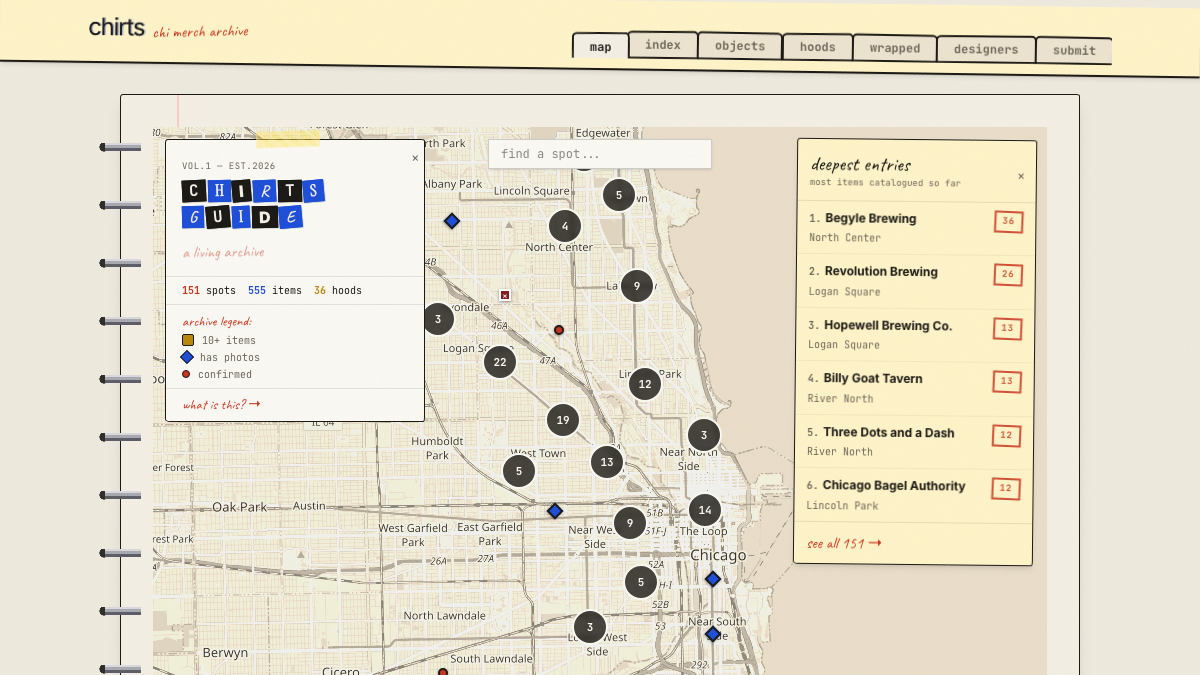
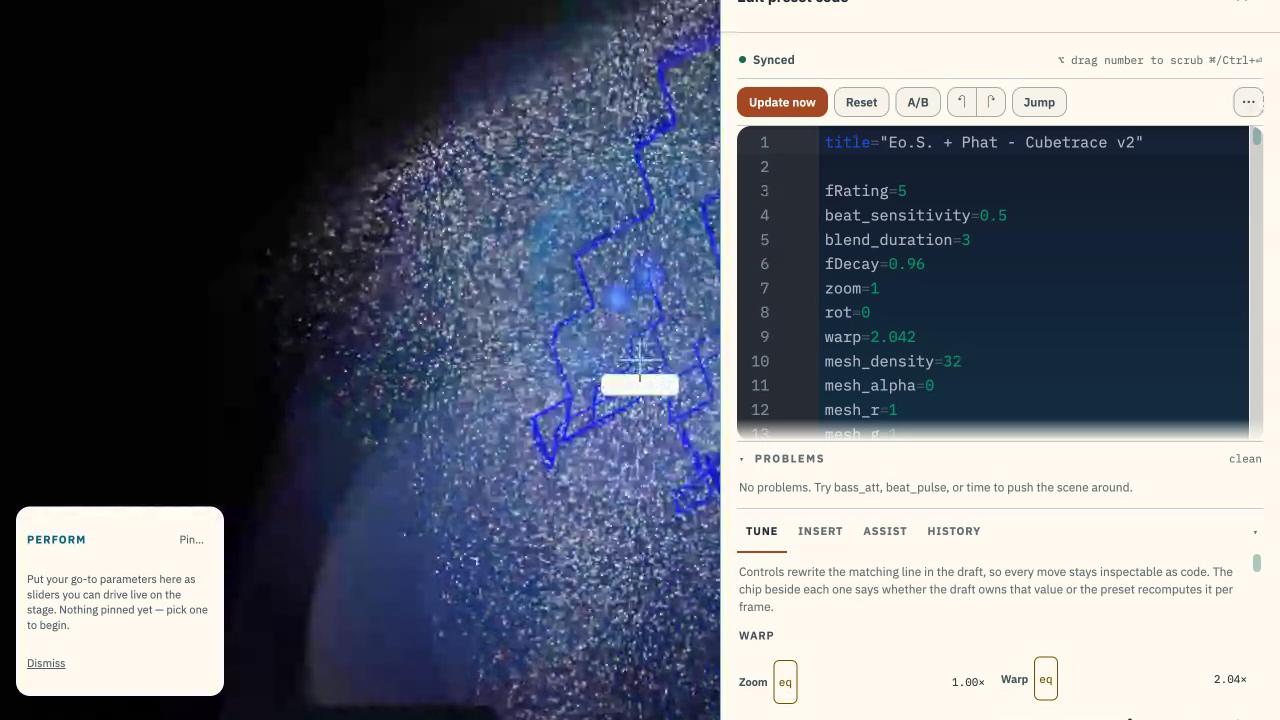
A preset that compiles is not necessarily a visual match to projectM. Measured results apply to the presets and reference captures tested.
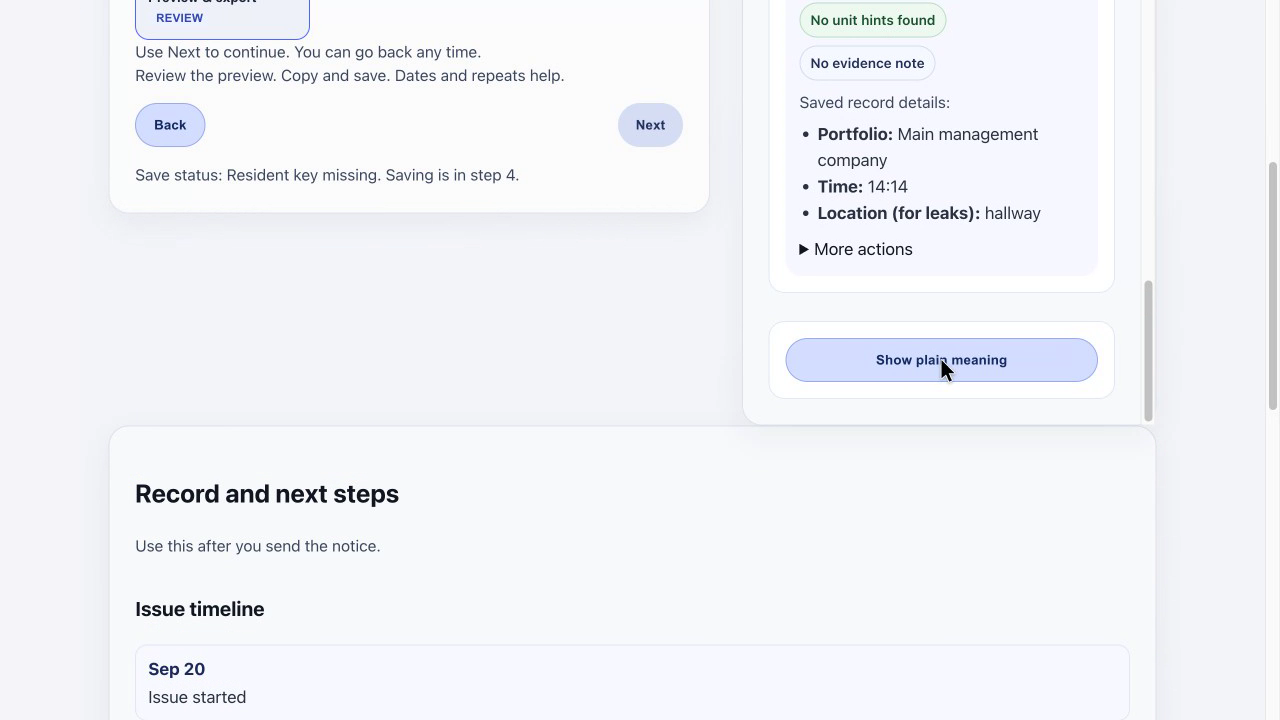
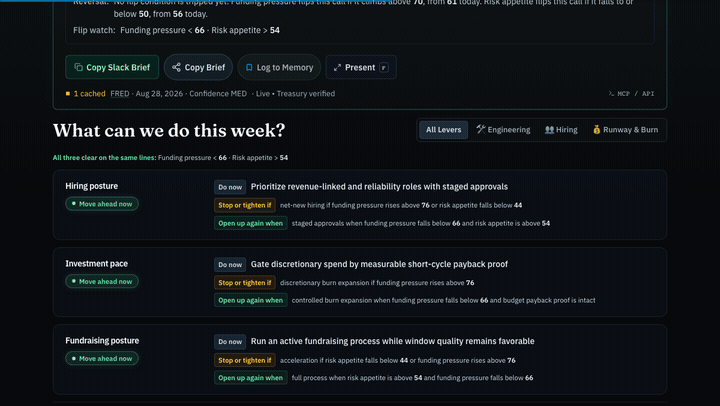
The engine and its tests are not public. Whether its recommendations improve independent users’ decisions remains unvalidated.
How the systems connect
One connection runs in code today: NextConsensus is built on Refract’s packages. Refract can also write the delegation records Ambit checks on every verification, once someone declares the link; nobody has yet. The rest share a record format and are not wired.
They share STD-07’s Revisable Delegation Record format. Its conformance checker checks record structure; it cannot establish whether the evidence is true or an approval is wise.
How I build
I build with AI coding agents and keep reusable copy reviews and pre-deploy checks beside the code. I run classification, extraction, summarization, and log scanning on local models; reasoning goes to a frontier model.
A daily script checks whether cited sources still answer and records refusals as unknown. Whether a source supports a claim is checked by reading it. The case studies show the results beside their sources.
The same record is available as llms.txt, /api/brief.json, and resume.json, and through MCP at kanav.net/mcp.
Revised