Commercially offered · public forecast registry and review methodology; no resolved forecasts or paid engagements yet
NextConsensus
Estimates how likely a guideline, label, or coverage decision is to change by a set date.
AI product leader, engineer, and researcher · Chicago
14 years in healthcare technology, most of them leading and building products in clinical care, oncology, and AI. My background is in biomedical engineering and molecular biology research. Work with me →

Doximity Dialer, which I originated as founding product lead. Doximity’s own figures, February 2026.
Commercially offered · public forecast registry and review methodology; no resolved forecasts or paid engagements yet
Estimates how likely a guideline, label, or coverage decision is to change by a set date.
Experimental · open source, with a live demo and a roadmap that says what is not built
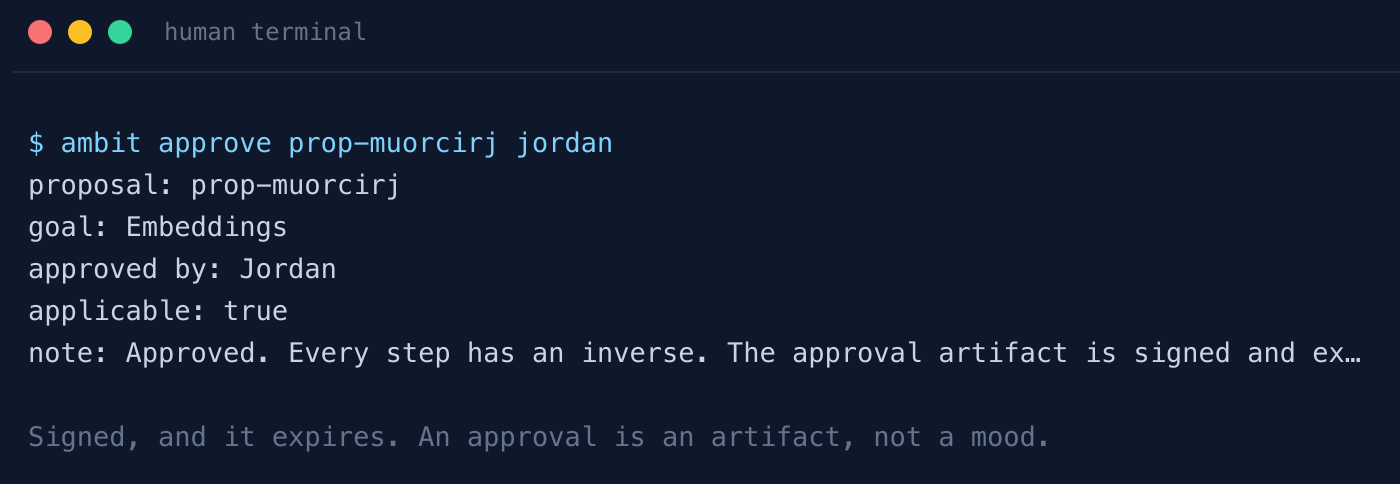
Distinguishes the tools an agent can reach from the actions it is authorized to take.
Live · open source, with a scheduled observation bot and a 15,926-event public test set
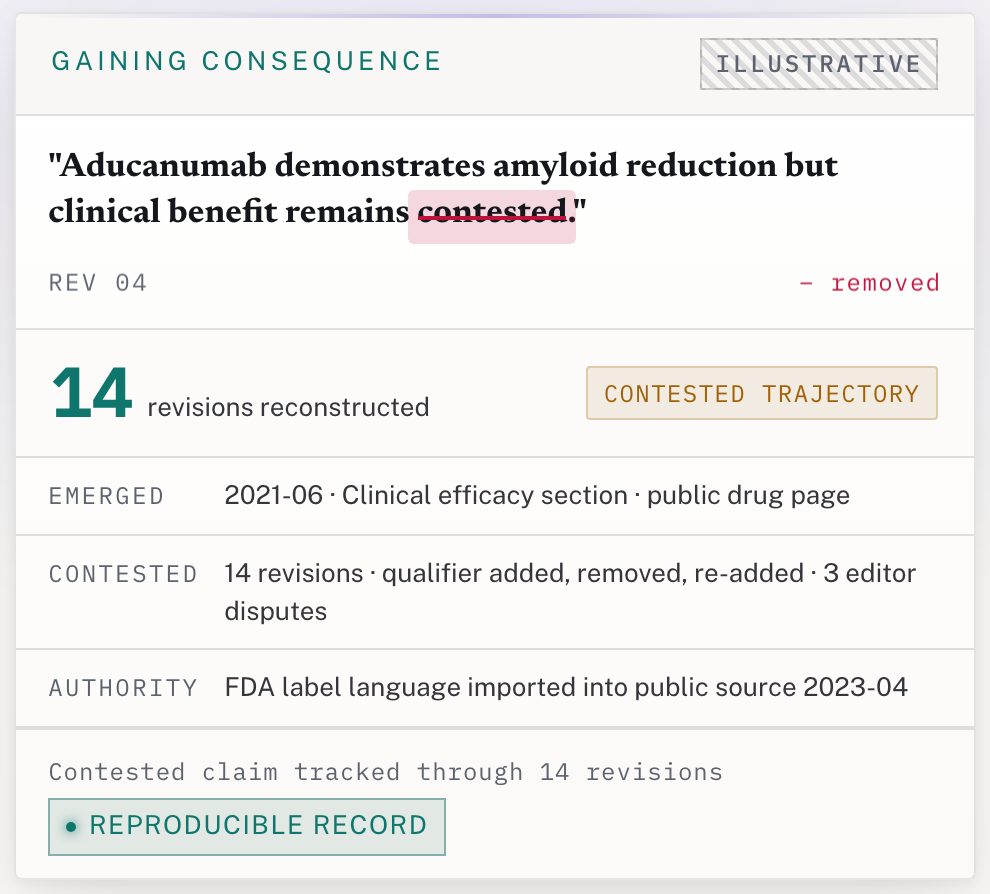
Refract Records when a source changed and what changed.

Adoption may come before official approval only while the risk stays with the person choosing. When the risk is clinical, approval comes first.
Dialer still carries more than 300,000 calls on an average workday across 250+ hospitals and health systems, 9 years after I left.
Read full case study →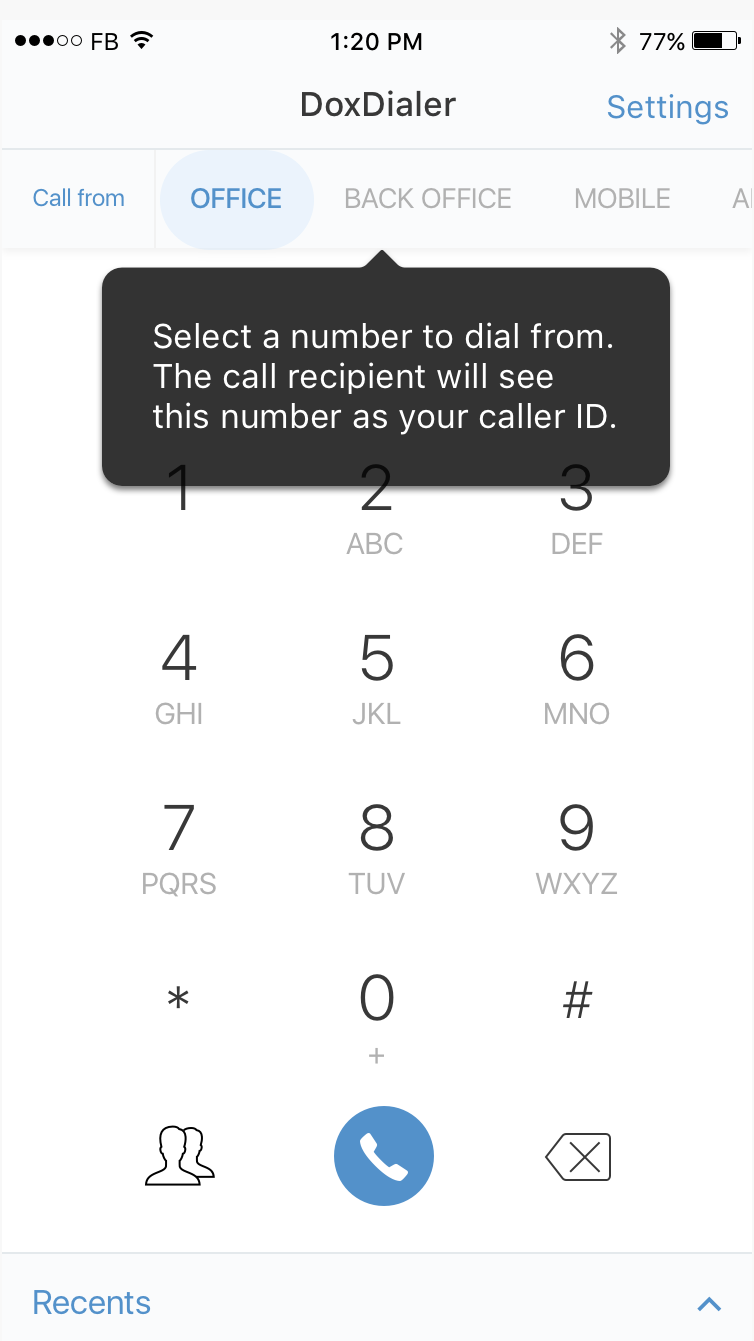

A frightened person is not short of information. The scarce resource is attention and trust, so the product’s job is the next step and a person to call.
Chat conversions up 267% and bounce rate down 25% across 30 million annual visitors after the rebuild I led.
Read full case study →
One system can carry many programs once every decision point has a named owner.
Routing delays stopped being the primary bottleneck, and the gap between the best and worst service lines narrowed.
Read full case study →The essays and the standards ask the same question: would a system still look like it works if we stopped counting the people covering for it?
Research and essays
From a first-author ACS Symposium Series chapter on RNA thermodynamics to 230+ essays at The Crumple Zone on how institutions distribute burden, absorb failure, and decide who can exist inside them. Selected writing →
Proposed AI standards
I wrote Ethotechnics’ framework for recording approval, challenges, and corrections. ethotechnics.org
Revised