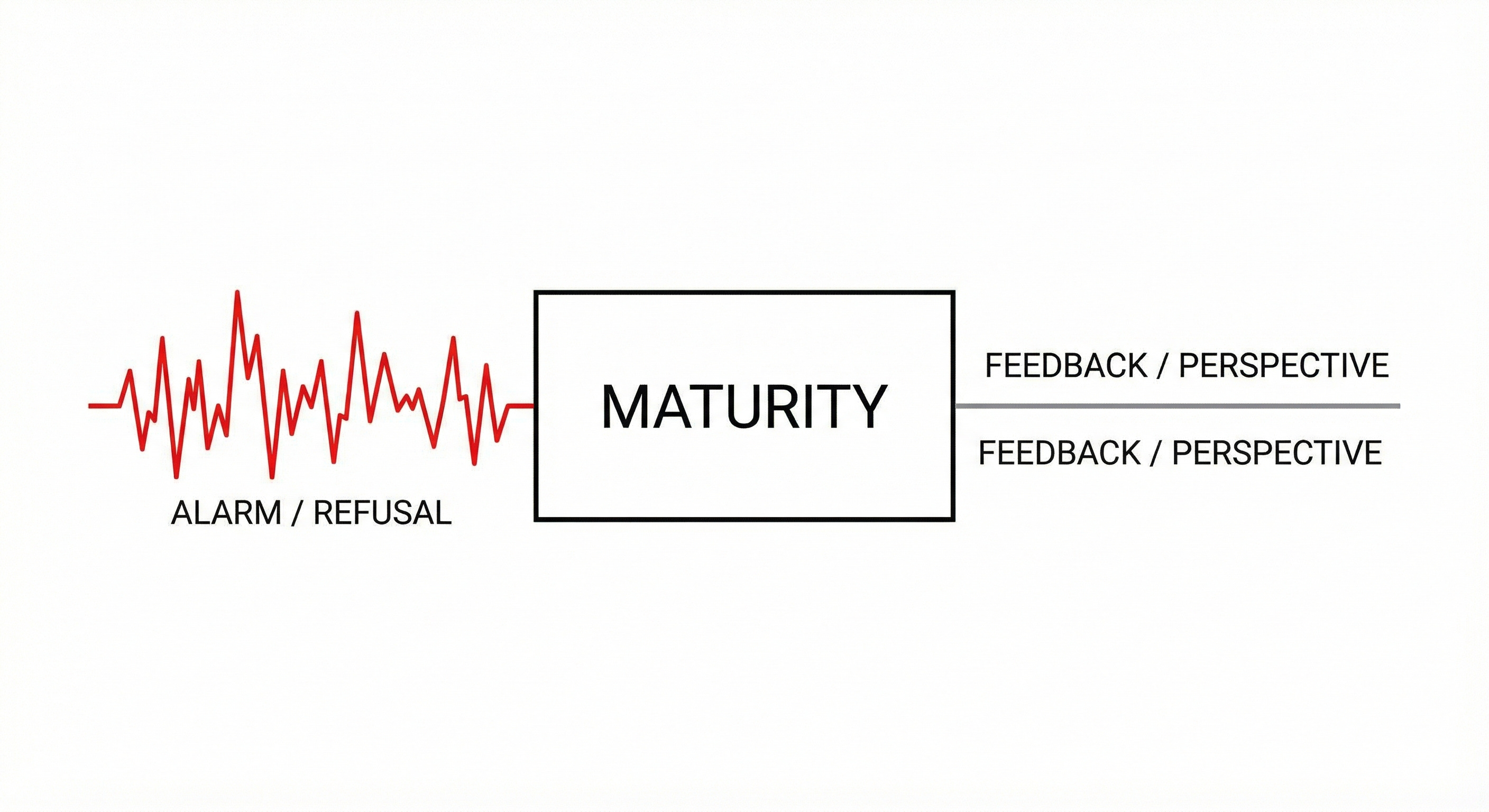
Modern life rewards a kind of “maturity” that often has very little to do with being right.
~1 min read
For philosophy teams.

"We condemn the excesses" isn’t an apology, it’s a tactic. From Amritsar 1919 to Minneapolis 2026, discover how governments use condemnation to…
~2 min read
For history teams.
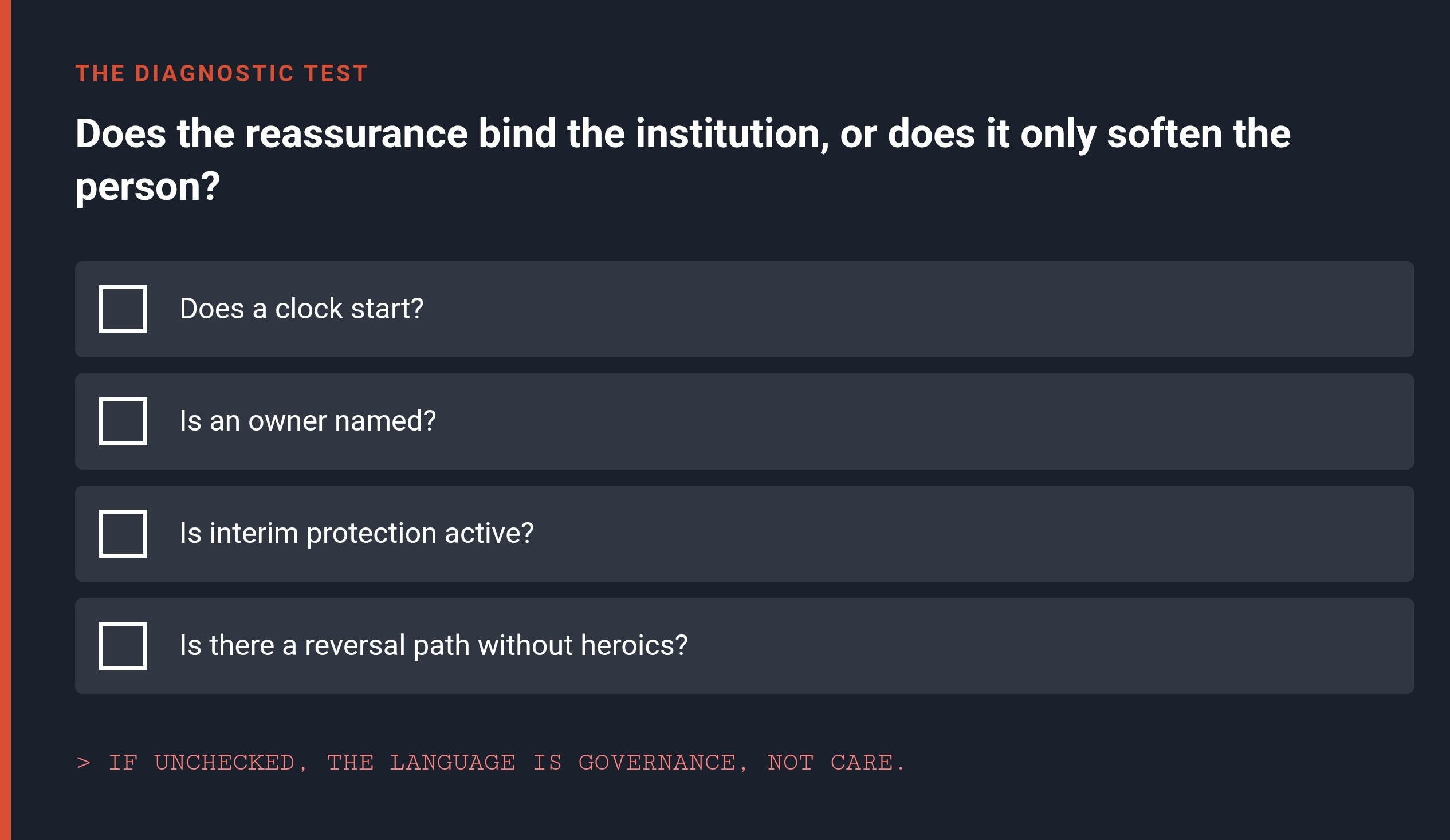
Why “we care” substitutes for obligation—and how delay gets disguised as kindness.
~1 min read
For history teams.

People are not becoming inherently dishonest, lazy, or cynical. They are becoming game-theoretically optimal for the environment they have been…
~1 min read
For philosophy teams.

We are living through a divergence between rights and remedies. If a system is "95% accurate" but concentrates errors on the vulnerable, fairness…
~2 min read
For philosophy teams.

Stop designing for the idealized "Hero User." Learn how to build resilient interfaces that work when your user is stressed, tired, and operating on…
~1 min read
For politics teams.

Resilience is a subsidy we pay to cover the cost of structural failure
~1 min read
For history teams.

The interface is dying because the “User” is obsolete. On the post-user web, AI agents, friction economics, and the rise of adversarial…
~1 min read
For history teams.
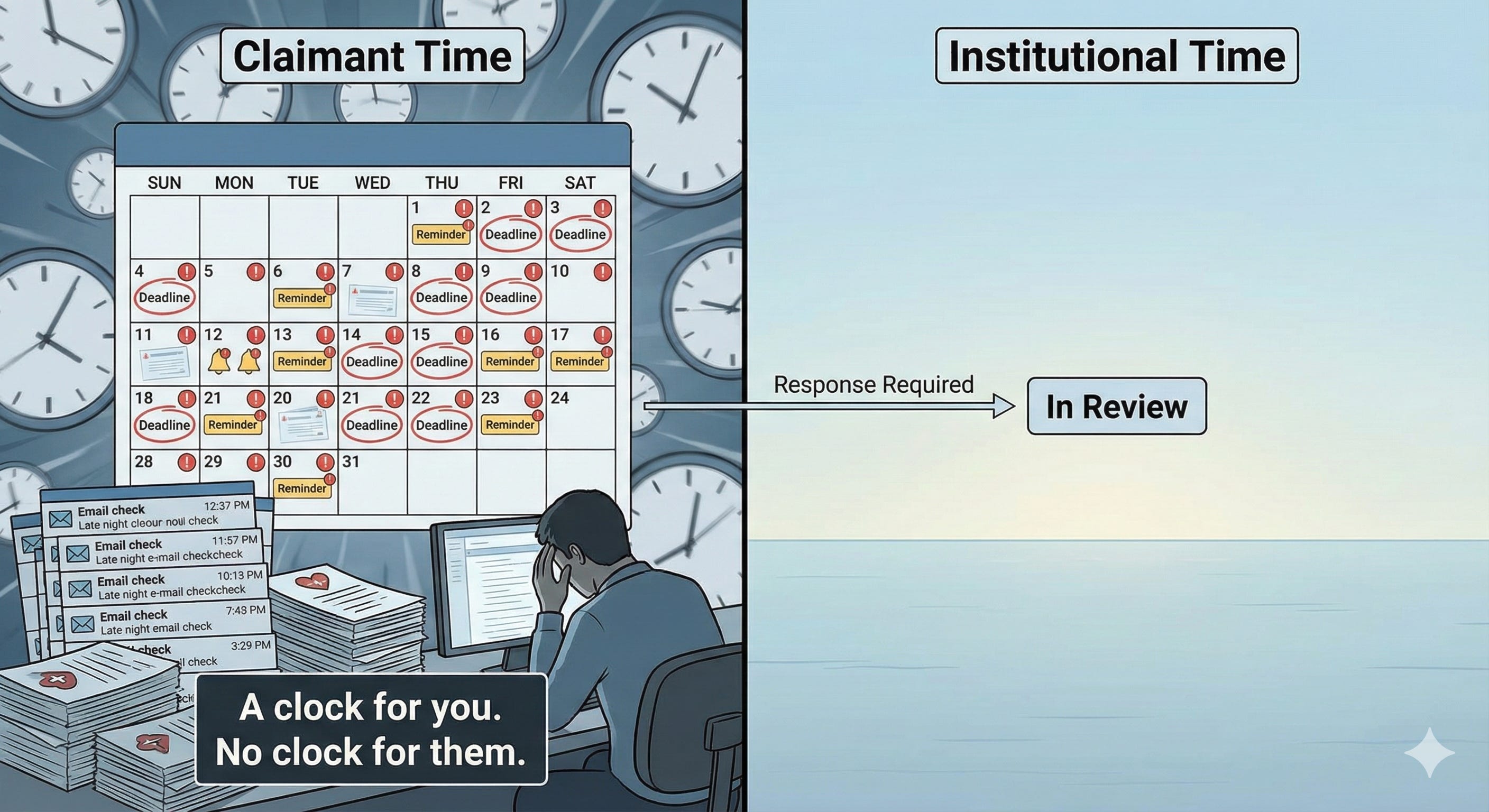
Across healthcare, bureaucracy, and customer service, systems increasingly avoid decisions while appearing responsive. This essay argues that modern…
~1 min read
For history teams.

The loading screen is a weapon. "Pending" is a governing strategy of attrition designed to make you carry the weight of the process until you give up.
~1 min read
For history teams.

We keep describing our institutional crisis as one of 'belief' or 'truth.' But in practice, the bottleneck is 'standing.' An essay on why 'we hear…
~2 min read
For philosophy teams.

A guide to the difference between moral language and structural constraint
~1 min read
For philosophy teams.
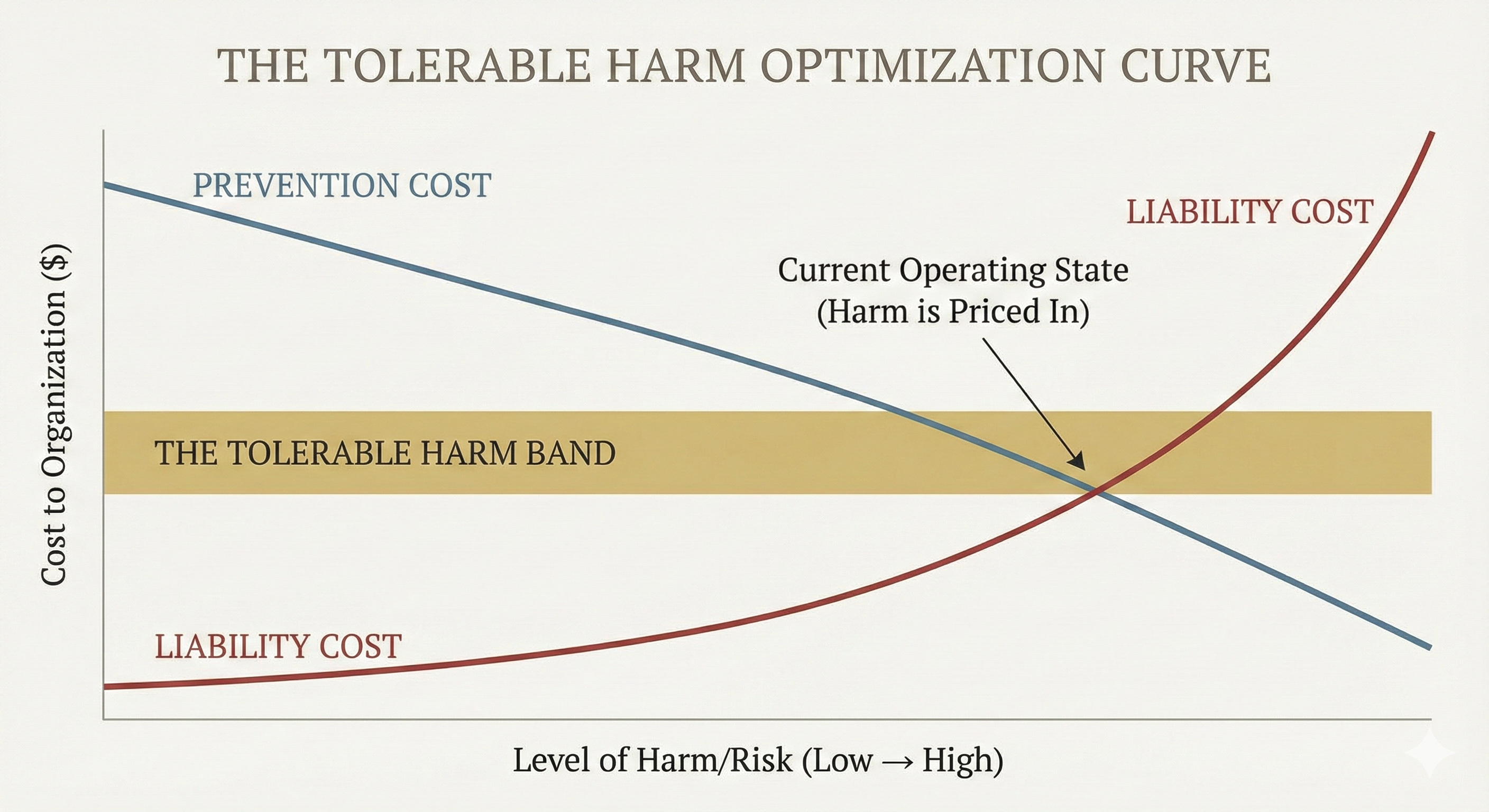
Stop assuming leadership is ignorant. "Tragic Institutionalism" argues that institutional harm is priced in, and your burnout is the fuel.
~1 min read
For philosophy teams.

From Chicago to Gaza, AI is turning "threat scores" into self-fulfilling prophecies. A critique of epistemic laundering and the automation of state…
~2 min read
For history teams.

We build institutions for every crisis, then forget to give them an off-switch. This piece argues for “institutional apoptosis”: designing…
~2 min read
For philosophy teams.

We must reclaim the maintenance that keeps people alive rather than the one that keeps systems standing.
~1 min read
For philosophy teams.

A theory of Primitive Accumulation applied to time. Just as capitalism once enclosed land to create value where there was none, it is now enclosing…
~2 min read
For history teams.

Modern efficiency hasn't solved volatility; it has just offloaded it onto you. An analysis of how the removal of buffers, inventory, and downtime…
~1 min read
For history teams.

Exploring how modern systems are built around an imaginary “reasonable” user, blaming real people for design failure and arguing for infrastructures…
~1 min read
For philosophy teams.

Explore how system architecture, not intent, makes harm the path of least resistance in institutions. Learn why brittleness and structural fragility…
~1 min read
For history teams.

Predictive systems don't "find patterns," they establish rules about who gets access, who faces scrutiny, whose harm matters less. Their builders…
~2 min read
For history teams.

AI's fluency removes the friction that keeps our heads on straight. On lucid disorientation, and rebuilding resistance to machines that never say no.
~1 min read
For philosophy teams.

Critiquing the myth of self-sufficiency and outlining a new politics of shared dependence, where care, maintenance, and cooperation become the…
~1 min read
For philosophy teams.

We have a deep-seated instinct to punish what doesn’t fit. Here's how data, management, and moral culture pathologize deviation.
~1 min read
For history teams.

Machines once bent to save people. Now people bend to save machines. A design essay on how digital systems reverse the ethics of safety, making…
~1 min read
For philosophy teams.

"Sterile control" makes systems fragile. Why reason must move from purity to porosity, embracing error, feedback, and accountability to survive.
~1 min read
For history teams.

A new framework for understanding persistence. This essay redefines stability, arguing that justice is the allocation of repair and proving…
~1 min read
For history teams.

When "okay" stops being a feeling and becomes a clearance code, care collapses into compliance. A new essay on "clearance culture" and the ethics of…
~1 min read
For philosophy teams.

Empathy can’t scale, and conscience can’t keep up. This essay introduces Ethotechnics, a framework for embedding moral capacity directly into code,…
~2 min read
For history teams.

Before an institution can do immense harm, it must first learn to feel good about itself. It must learn to translate its contradictions into virtues…
~1 min read
For history teams.

Hospitals, platforms, universities, and economies all improve the metrics that define success while quietly eroding the conditions that make those…
~1 min read
For history teams.

The moral geometry of measurement, and how to read the metrics that lie without lying.
~1 min read
For history teams.

Longevity isn’t virtue. The systems that last the longest often do so by pushing their stress onto others. This is how survival turns into capture.
~1 min read
For history teams.

Feeling stuck or hollow in your career? This essay explains why the "career ladder" is a myth and a hidden "filter" rewards conformity over merit. A…
~1 min read
For philosophy teams.

“Be real” is the gospel of our age, chanted by politicians claiming to speak from the heart, influencers in “no-filter” confessionals, and…
~1 min read
For philosophy teams.
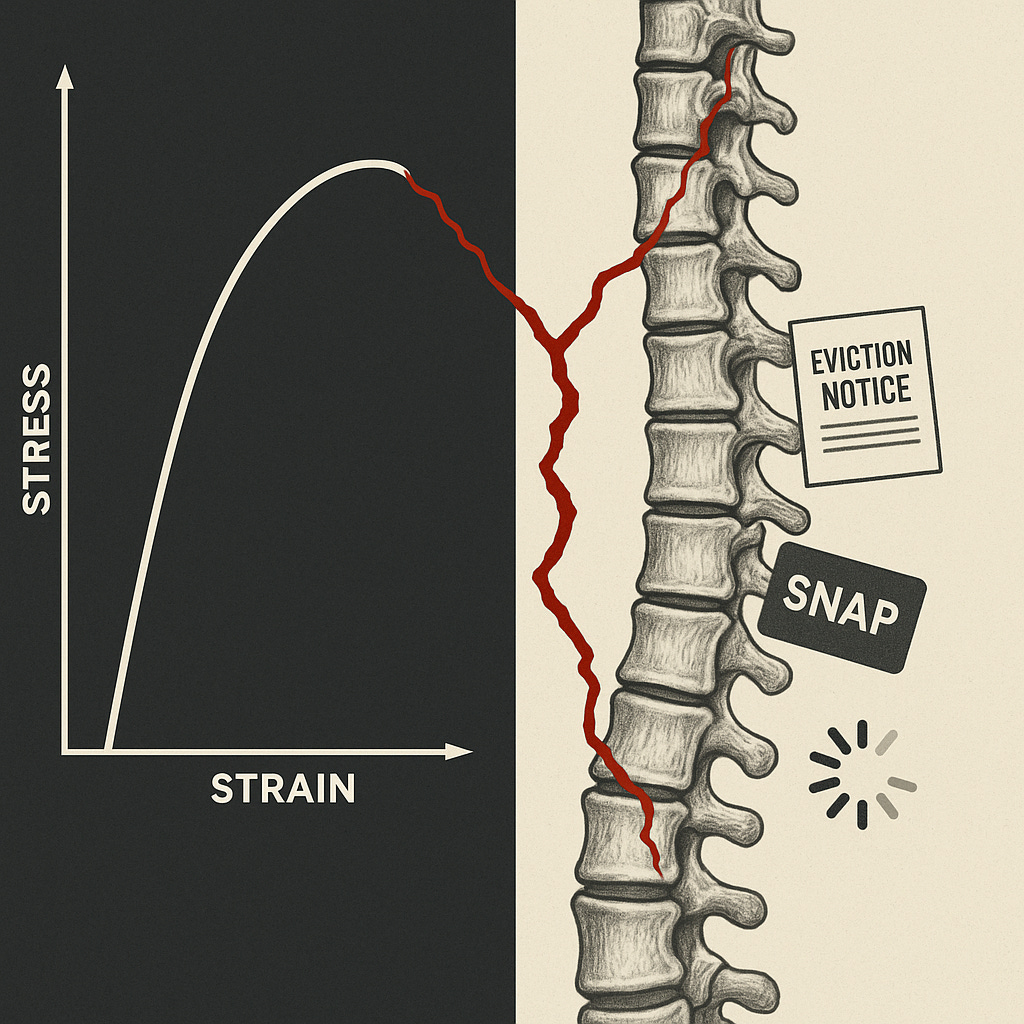
From medical implants to insurance portals, from stress fractures to eviction notices, the physics of failure hasn’t changed. What’s changed is the…
~1 min read
For philosophy teams.

Why the same harms keep recurring, no matter who is in charge.
~1 min read
For history teams.

In journalism, science, and law, we know that a single, smooth answer is dangerous. So why do we call it “best practice” when it comes from an…
~1 min read
For corporations teams.

How to Fight the Feeling and Reclaim Your Voice
~1 min read
For philosophy teams.

We often use lengthy explanations after a mistake to manage our own discomfort. But true accountability requires concrete steps, not just eloquent…
~1 min read
For philosophy teams.

Stop searching for an ethical AI CEO. The job is impossible. The problem isn't a lack of individual virtue, but a system that makes virtue a…
~1 min read
For philosophy teams.

The powerful have always used the language of weather and physics to enforce their will. The best counter isn't a better argument—it's seeing the…
~1 min read
For history teams.

For more than a decade, we've treated misinformation as a problem of persuasion. Fact-checks, media literacy drives, AI detection tools all assume…
~1 min read
For philosophy teams.

Anarchism is often described like a bonfire: a political philosophy of no institutions, no coordination, just a perpetual “no.” But the anarchist…
~1 min read
For philosophy teams.
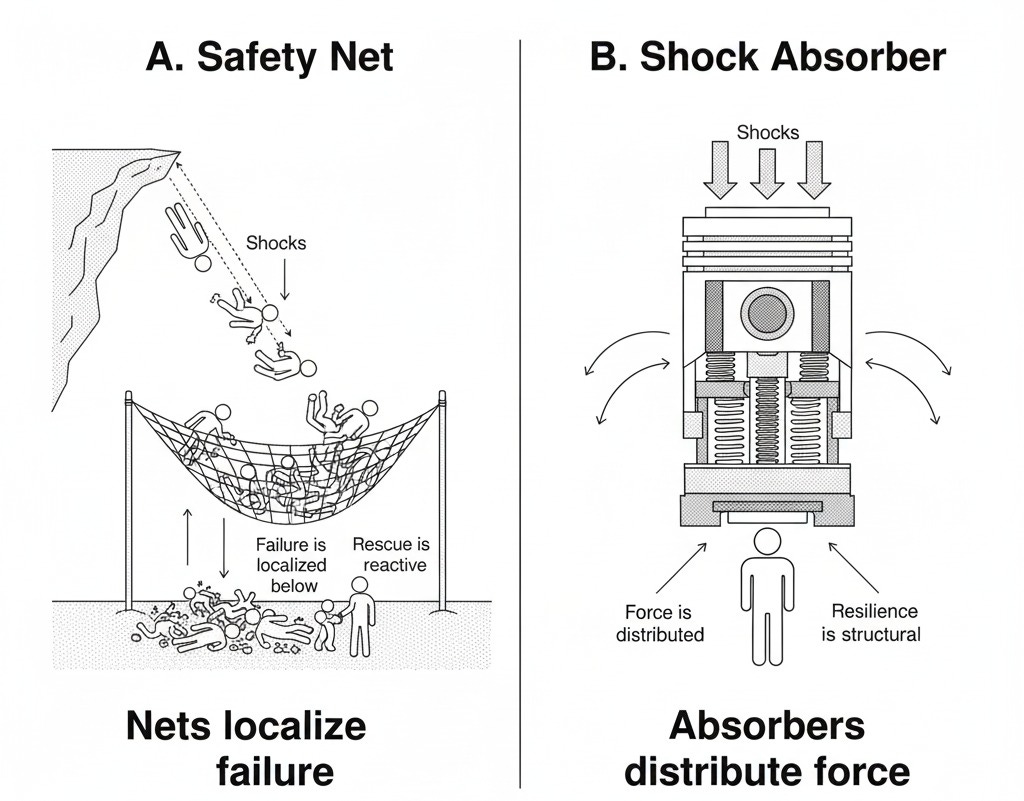
The political question isn’t if shocks arrive, but where the load lands. This essay reframes “policy” as applied physics—and legitimacy as a…
~1 min read
For history teams.

How hostile systems draft us into our own denial
~1 min read
For philosophy teams.

“Fickleness” is not always a moral failure; it’s fair to oscillate between incompatible demands.
~1 min read
For philosophy teams.

On Revision Privilege, a system that quietly distributes grace to the powerful while demanding finality from everyone else
~1 min read
For history teams.

Everywhere you look, people are proving how sorry they are through self-condemnation.
~1 min read
For politics teams.

Resisting rule by expertise is not anti-science or anti-technology; it is a defense of democracy
~1 min read
For philosophy teams.

The tell of empire isn’t its power, but the sheer work required to maintain its appearance of inevitability.
~1 min read
For history teams.

An idea can be banned without being outlawed; when the direct route is blocked by formal censorship or the chill of algorithmic disfavor, ideas…
~1 min read
For history teams.

It’s quick, flattering, incomplete, and it puts the problem in human nature, not in the systems shaping people’s lives. But is it true?
~1 min read
For history teams.

It’s a neat, tidy, and incredibly convenient fantasy for cops, bosses, and security guards.
~1 min read
For philosophy teams.

Israel took the word “evil,” ran it through a supply-chain dashboard, and executed it in Gaza.
~1 min read
For history teams.

Are they really helping or just trying to take control? Here's how to know.
~1 min read
For philosophy teams.

Try it tonight and see what happens.
~1 min read
For philosophy teams.
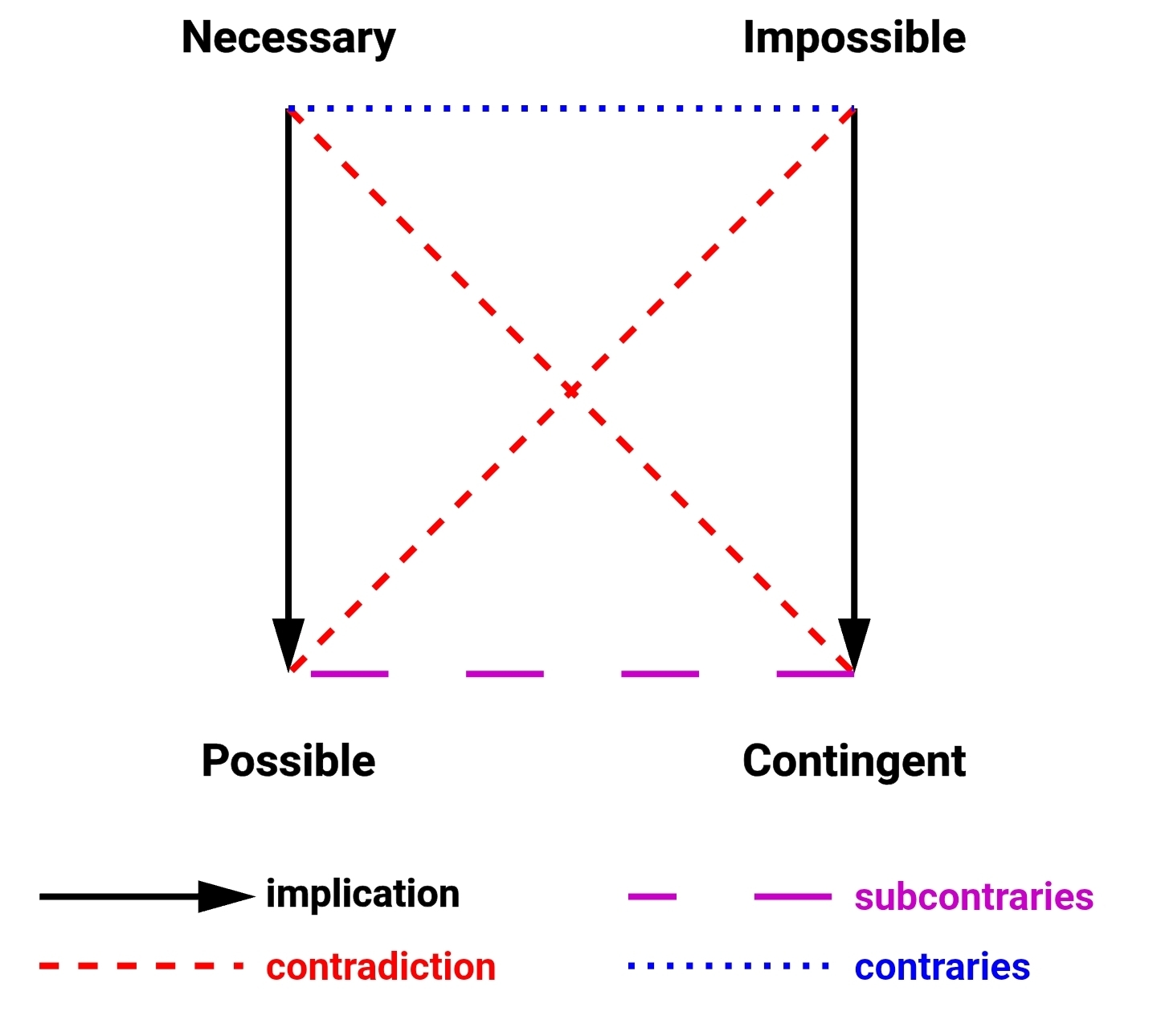
Tiny, everyday verbs like must, should, may, ought, have to, and need to function as subtle carriers of authority
~1 min read
For history teams.

Ten years ago, Gilead Sciences did what modern medicine says it exists to do: it cured a disease.
~1 min read
For corporations teams.

It’s the diagnosis pulled out whenever a doctor or nurse pushes back on some new system, tool, or “transformation.” To outsiders, it sounds…
~1 min read
For tech teams.

From 1493 papal decrees to 2025 AI eviction pilots, and the single profit logic that sustains them.
~1 min read
For history teams.

How Denial Became a Revenue Stream—and What It Will Take to Break the Machine
~1 min read
For philosophy teams.

It’s structural, intentional, and systemic.
~1 min read
For philosophy teams.

You text “Dinner?” at six and only see the reply when you’re elbow-deep in dishes.
~1 min read
For politics teams.

Ask someone outside the US to describe American life, and they might mention sprawling homes, last-minute December donations, business trips that…
~2 min read
For philosophy teams.

American power has long been driven by what I call an “ergonomic ideal”: squeezing every bit of extraction out of a system while disguising or…
~1 min read
For philosophy teams.

Why Denial Is the Core of Structural Power
~1 min read
For philosophy teams.
![Preview image for [Accept All] / [Reject All]](https://substackcdn.com/image/fetch/$s_!WciU!,f_auto,q_auto:good,fl_progressive:steep/https%3A%2F%2Fsubstack-post-media.s3.amazonaws.com%2Fpublic%2Fimages%2F32ef620f-2a9d-4817-8fb9-eeb5ec6de040_1024x860.png)
You were trained to read like a browser tab—fast, extractive, always behind. This micro-guide shows you how to pause: roll a shoulder, unclench your…
~2 min read
For autism teams.

We’ve grown so accustomed to equating silence with peace that we overlook the heavy toll it exacts.
~1 min read
For philosophy teams.

I nearly scrapped this draft because I’d already unpacked institutional forgetting in The Amnesia Engine. My inner editor—raised on Omit needless…
~1 min read
For philosophy teams.
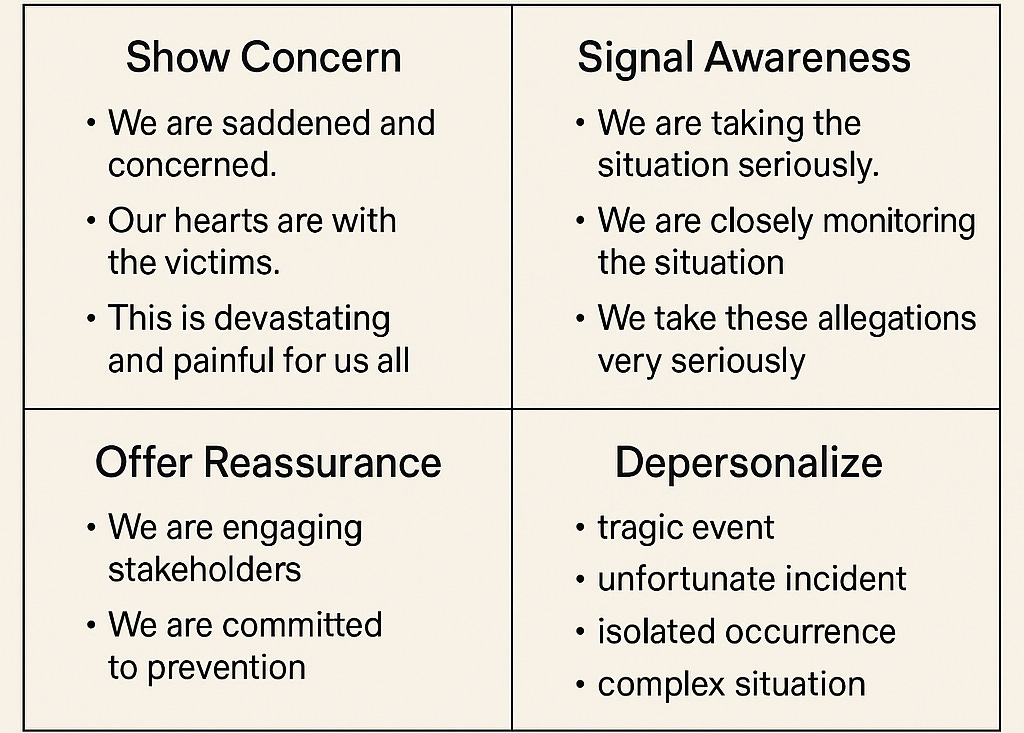
What happens when grief is routinized? When mourning scripts follow mass shootings, airstrikes, or police violence—but policy doesn’t move?
~1 min read
For philosophy teams.

It’s only human to need help — but we have to be able to admit it.
~1 min read
For autism teams.

I don’t want you to just avoid burnout, I want you to see labor as a site of struggle, defaults as political choices, and for us to reforge our…
~2 min read
For philosophy teams.
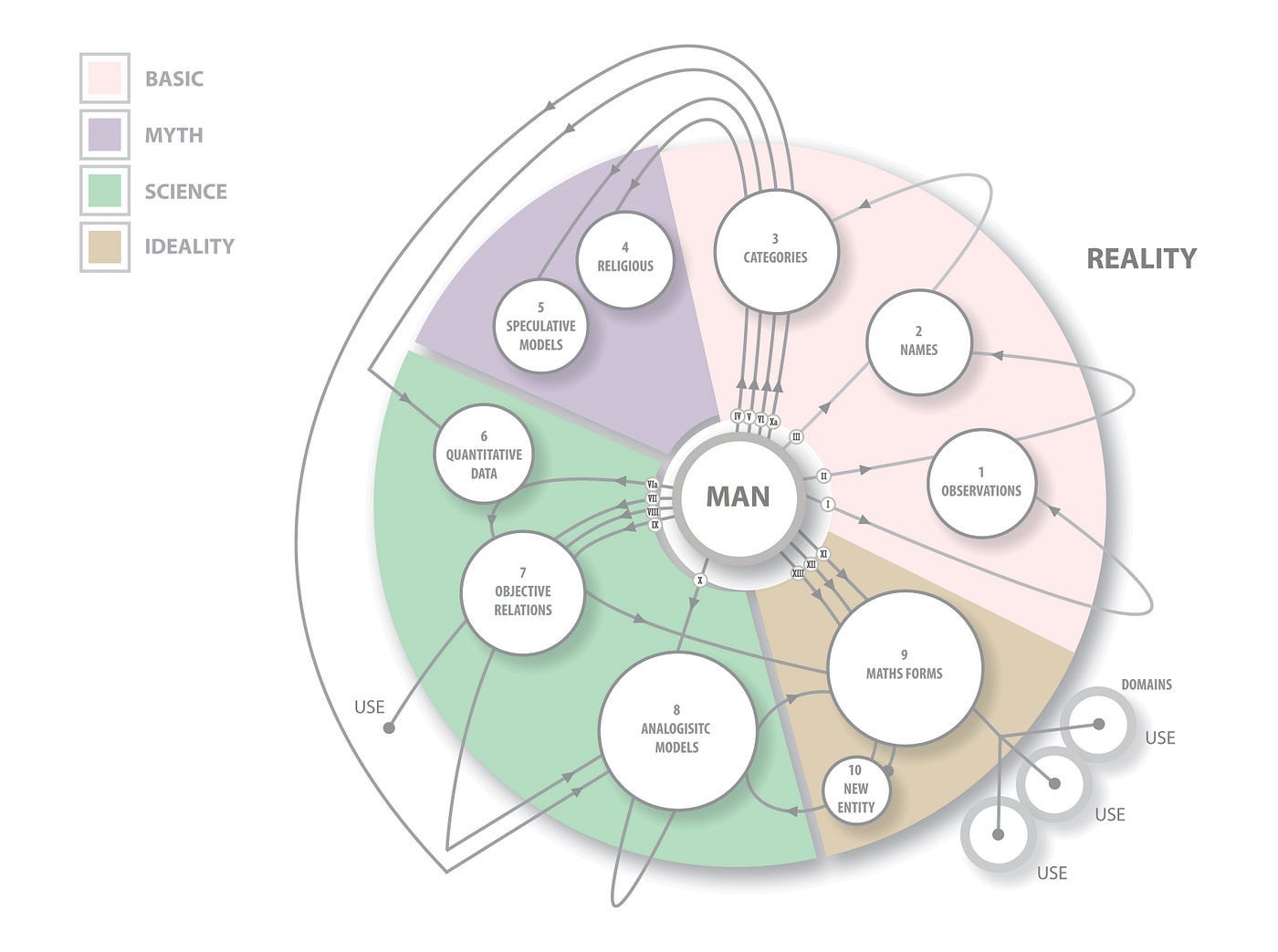
To confront planetary crisis meaningfully, we must insist on refusal, accountability, and explicit, structural consent.
~1 min read
For philosophy teams.
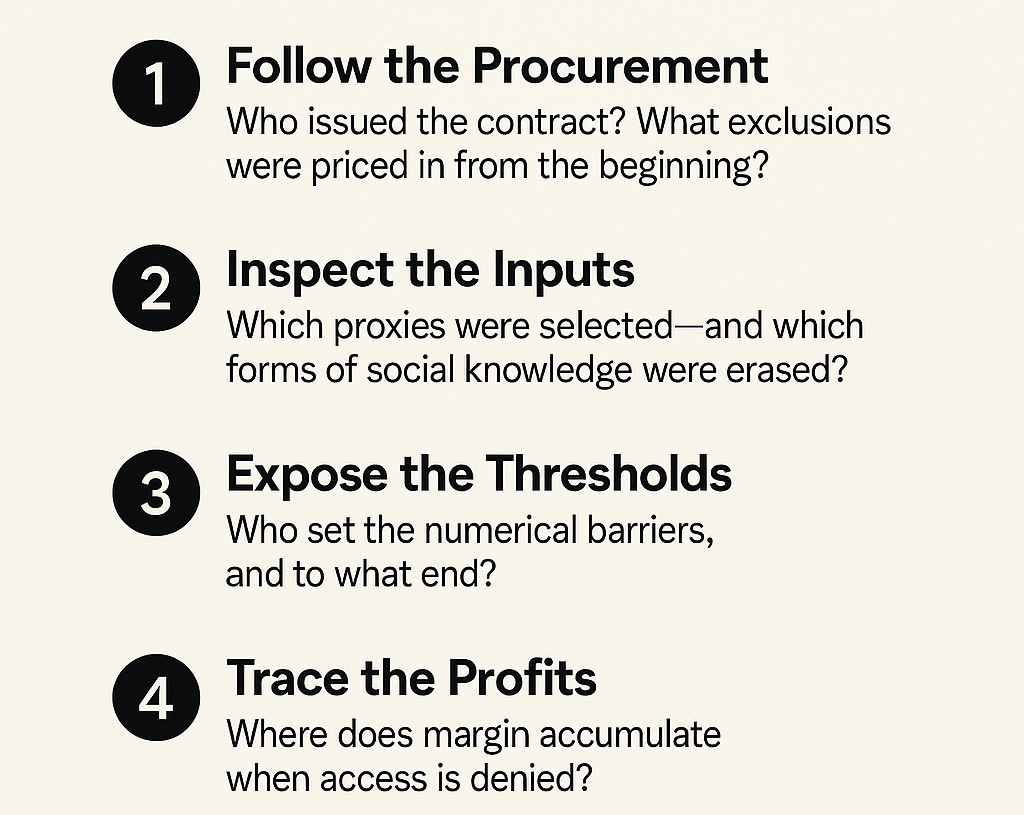
When systemic harm is repeated, profitable, and structured, complexity is not an explanation. It’s an alibi.
~1 min read
For philosophy teams.

You’re looped in once the decisions are made—asked to “help it land,” not to change it. You learn to turn harm into “alignment,” risk into “tone.”…
~2 min read
For politics teams.

How institutions metabolize critique, erase context, and make crisis their only teacher
~1 min read
For philosophy teams.

Why neutrality isn’t fairness—and what it hides when institutions say it is.
~1 min read
For philosophy teams.

Clarity that arrives before the group is ready gets coded as friction. And friction gets managed, not engaged with.
~1 min read
For corporations teams.

Seamlessness isn’t always neutral. It’s often subsidized—by someone else’s time, attention, and emotional capacity.
~1 min read
For philosophy teams.

Every hurricane season the ritual repeats: a governor steps to the mic, announces billions “secured on the capital markets,” and declares the state…
~1 min read
For politics teams.
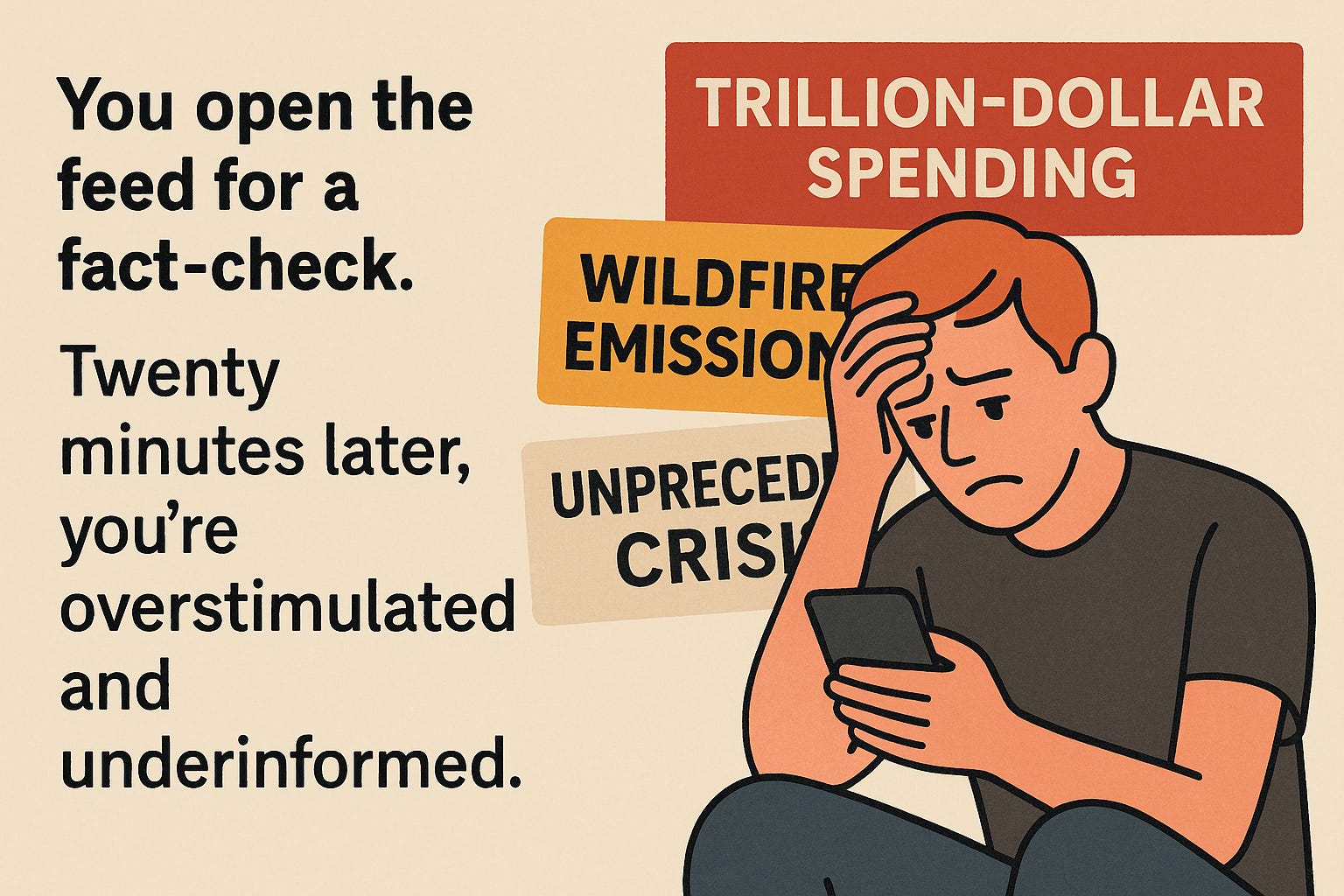
You open your phone to check the news; twenty minutes later you’re overstimulated and underinformed.
~1 min read
For philosophy teams.

In August 2024, we decided to end Andwise, with no formal press release, no dramatic pivot tweets—just a resolve to shut it down before becoming…
~1 min read
For tech teams.

You arrive at the hospital from the airport, taking MARTA straight to Northside.
~1 min read
For philosophy teams.

When does cunning becomes a strategic choice? Or, why are shitty people so wealthy?
~1 min read
For philosophy teams.

Why “No” Makes Every “Yes” More Real
~1 min read
For philosophy teams.

We Grew Up Asking If We’d Get To Have Kids. Now We’re Asking If We Even Should.
~1 min read
For philosophy teams.

Real Cheaters Slip Away While the Vulnerable Get Flagged
~1 min read
For philosophy teams.

From the 1996 Olympics to SoDo’s “Tech-Led” Land Grab
~1 min read
For tech teams.

How Strict Building Rules Undermine Real Community
~1 min read
For tech teams.

AI won’t rescue us from our own willingness to discard people—it just magnifies it.
~1 min read
For philosophy teams.

We live in an environment flooded with illusions.
~1 min read
For philosophy teams.

Most institutions—hospitals, welfare agencies, workplaces, schools—claim to prioritize “care,” “efficiency,” or “fairness.” Yet behind polished…
~1 min read
For philosophy teams.

We keep witnessing departures that resist easy explanation:
~1 min read
For philosophy teams.

Or, Why We Can’t Debias Our Way Out of a System Built to Exclude
~1 min read
For philosophy teams.

How AI Helps Hospitals Quietly Filter Out Complex Patients and Call It “Efficiency”
~1 min read
For politics teams.
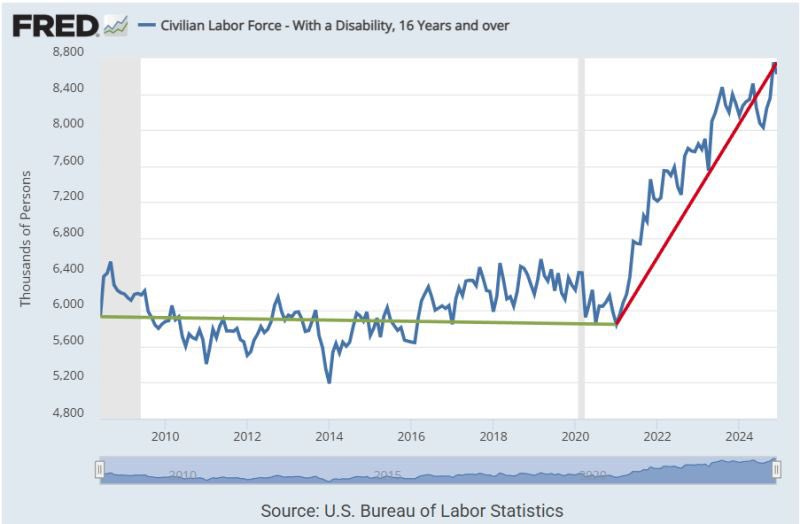
Reactionaries Will Use Disability Statistics to Justify Technofascist Control
~1 min read
For philosophy teams.

When do "Standards of Care" tell us more about entrenchment than about efficacy?
~1 min read
For autism teams.