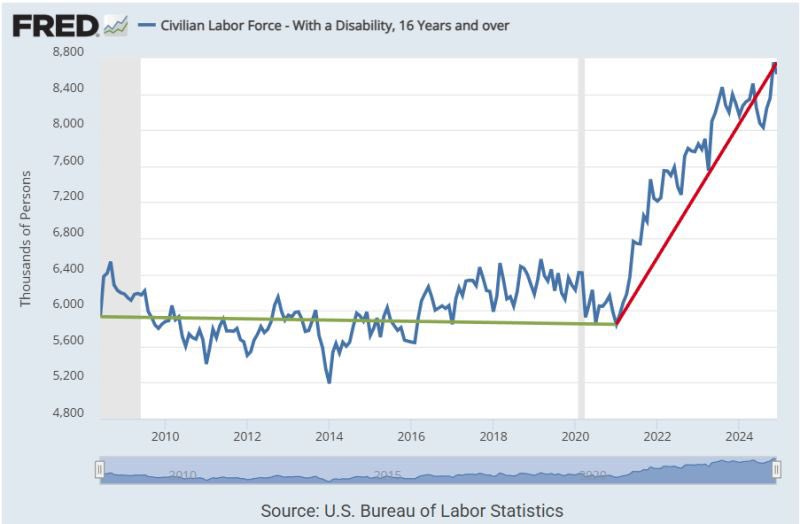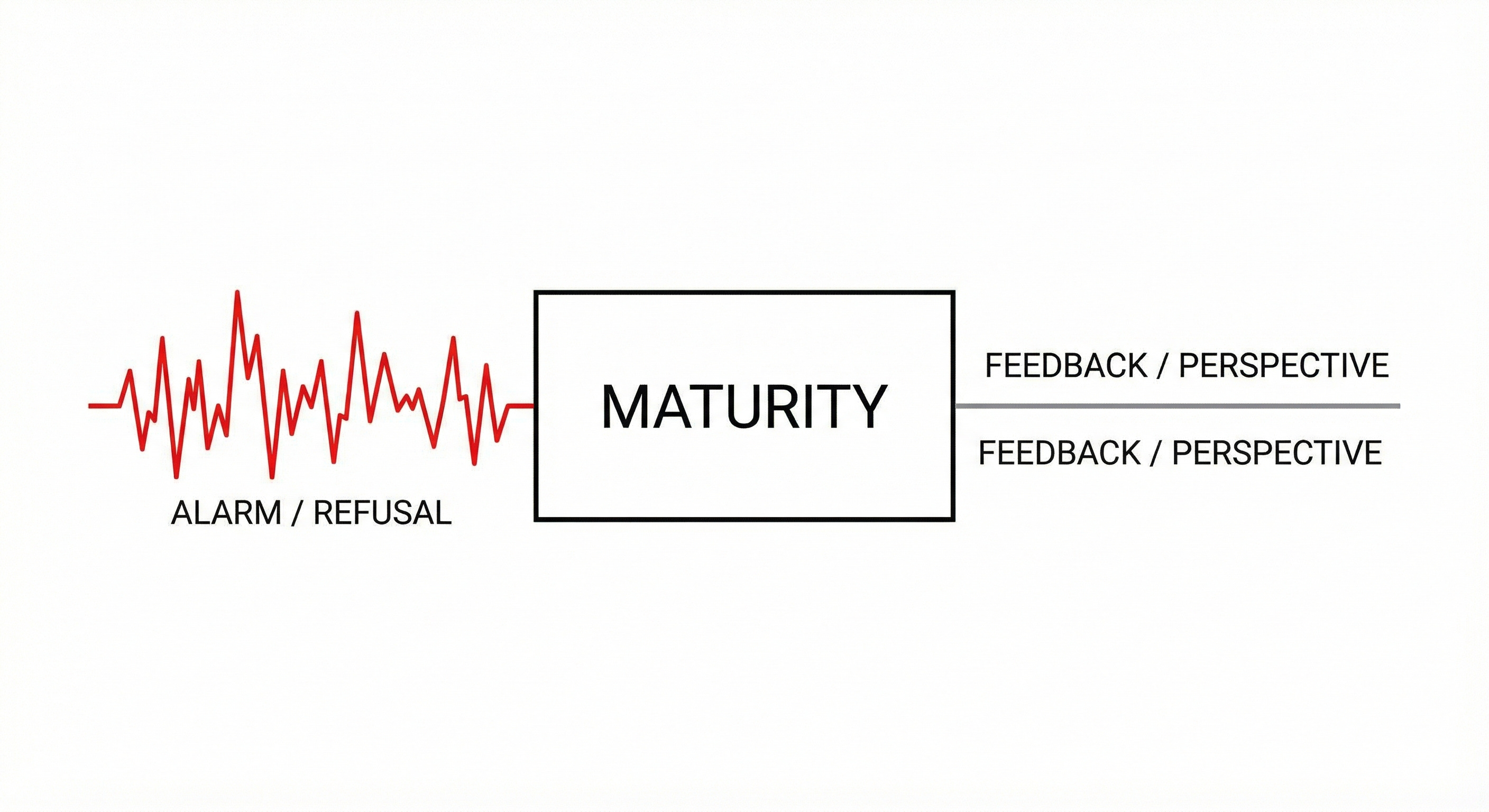
Modern life rewards a kind of “maturity” that often has very little to do with being right.
~1 min read
For philosophy teams.

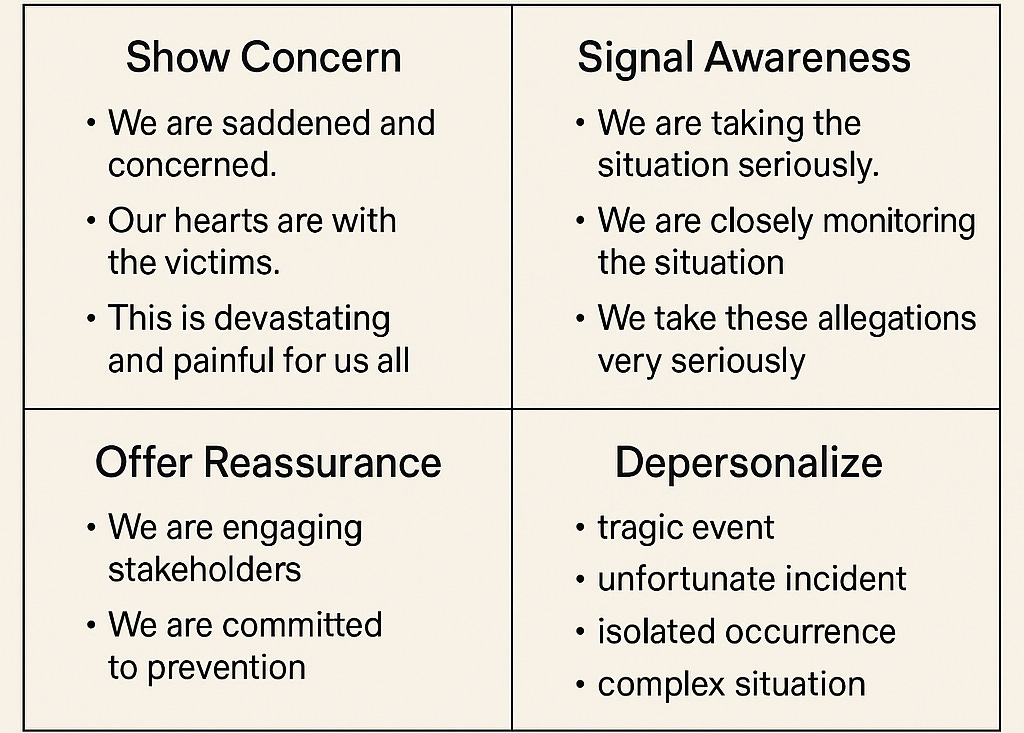
"We condemn the excesses" isn’t an apology, it’s a tactic. From Amritsar 1919 to Minneapolis 2026, discover how governments use condemnation to…
~2 min read
For history teams.
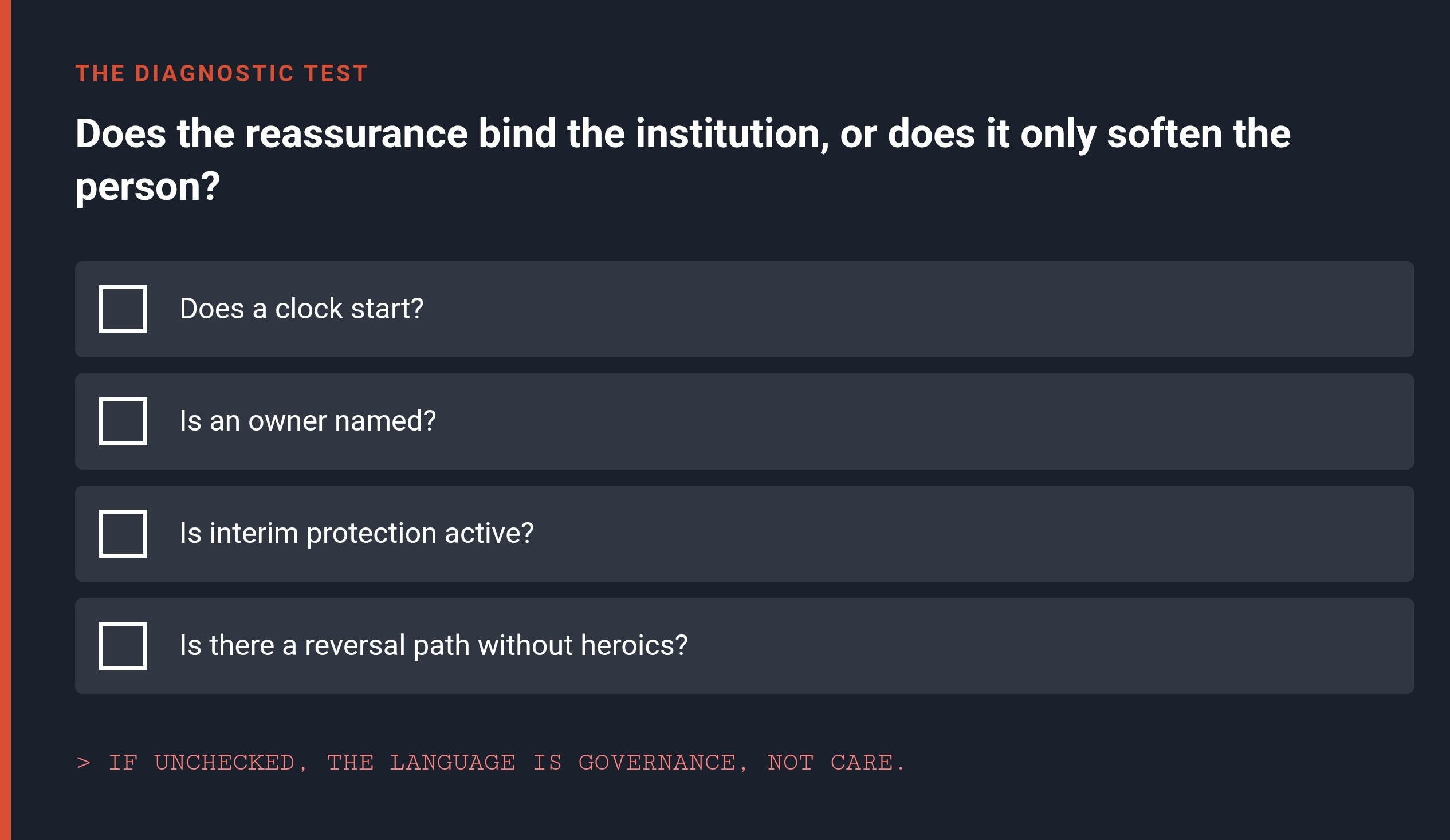
Why “we care” substitutes for obligation—and how delay gets disguised as kindness.
~1 min read
For history teams.

People are not becoming inherently dishonest, lazy, or cynical. They are becoming game-theoretically optimal for the environment they have been…
~1 min read
For philosophy teams.

We are living through a divergence between rights and remedies. If a system is "95% accurate" but concentrates errors on the vulnerable, fairness…
~2 min read
For philosophy teams.

Stop designing for the idealized "Hero User." Learn how to build resilient interfaces that work when your user is stressed, tired, and operating on…
~1 min read
For politics teams.

Resilience is a subsidy we pay to cover the cost of structural failure
~1 min read
For history teams.

The interface is dying because the “User” is obsolete. On the post-user web, AI agents, friction economics, and the rise of adversarial…
~1 min read
For history teams.
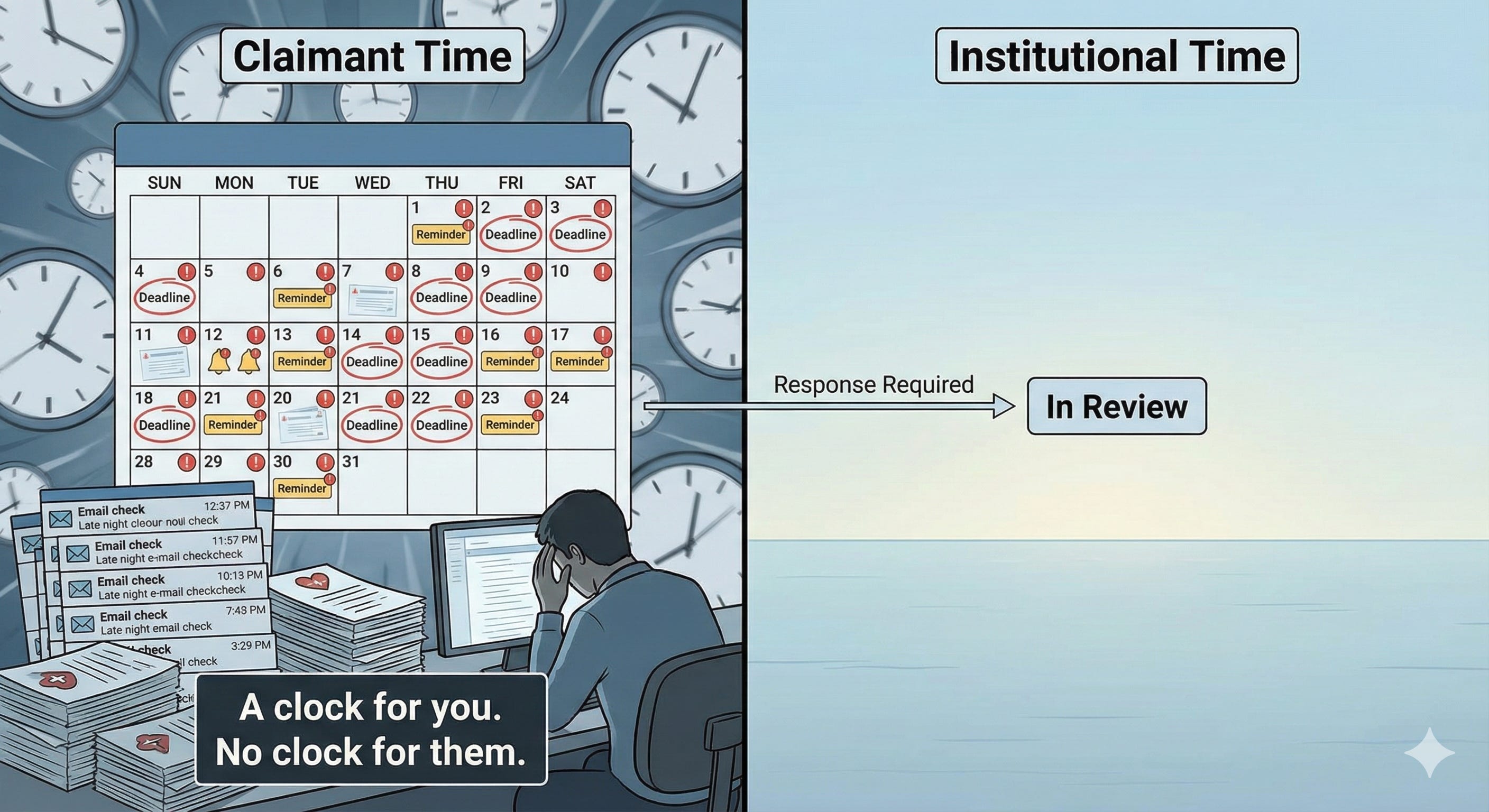
Across healthcare, bureaucracy, and customer service, systems increasingly avoid decisions while appearing responsive. This essay argues that modern…
~1 min read
For history teams.

The loading screen is a weapon. "Pending" is a governing strategy of attrition designed to make you carry the weight of the process until you give up.
~1 min read
For history teams.

We keep describing our institutional crisis as one of 'belief' or 'truth.' But in practice, the bottleneck is 'standing.' An essay on why 'we hear…
~2 min read
For philosophy teams.

A guide to the difference between moral language and structural constraint
~1 min read
For philosophy teams.
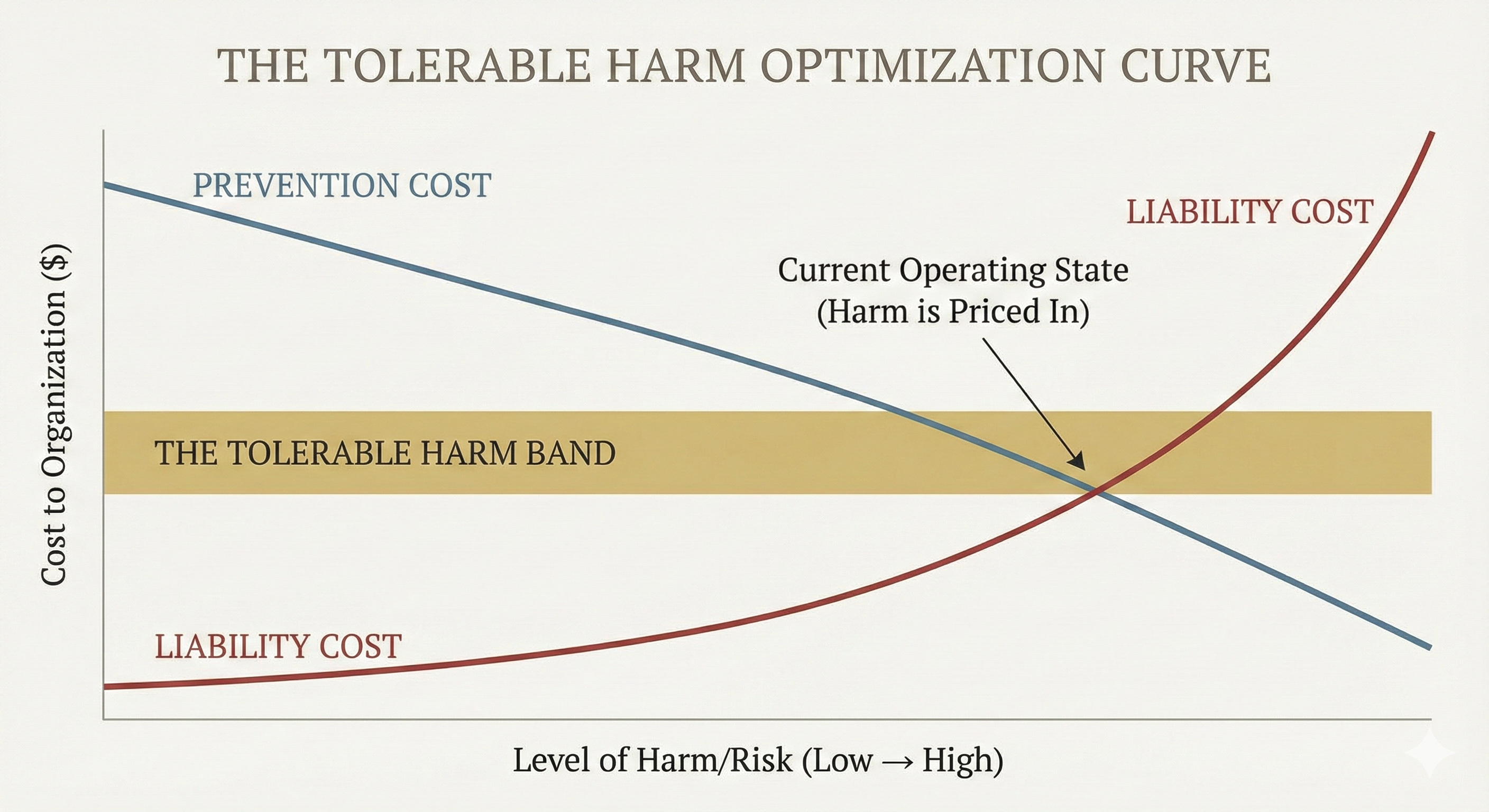
Stop assuming leadership is ignorant. "Tragic Institutionalism" argues that institutional harm is priced in, and your burnout is the fuel.
~1 min read
For philosophy teams.

From Chicago to Gaza, AI is turning "threat scores" into self-fulfilling prophecies. A critique of epistemic laundering and the automation of state…
~2 min read
For history teams.

We build institutions for every crisis, then forget to give them an off-switch. This piece argues for “institutional apoptosis”: designing…
~2 min read
For philosophy teams.
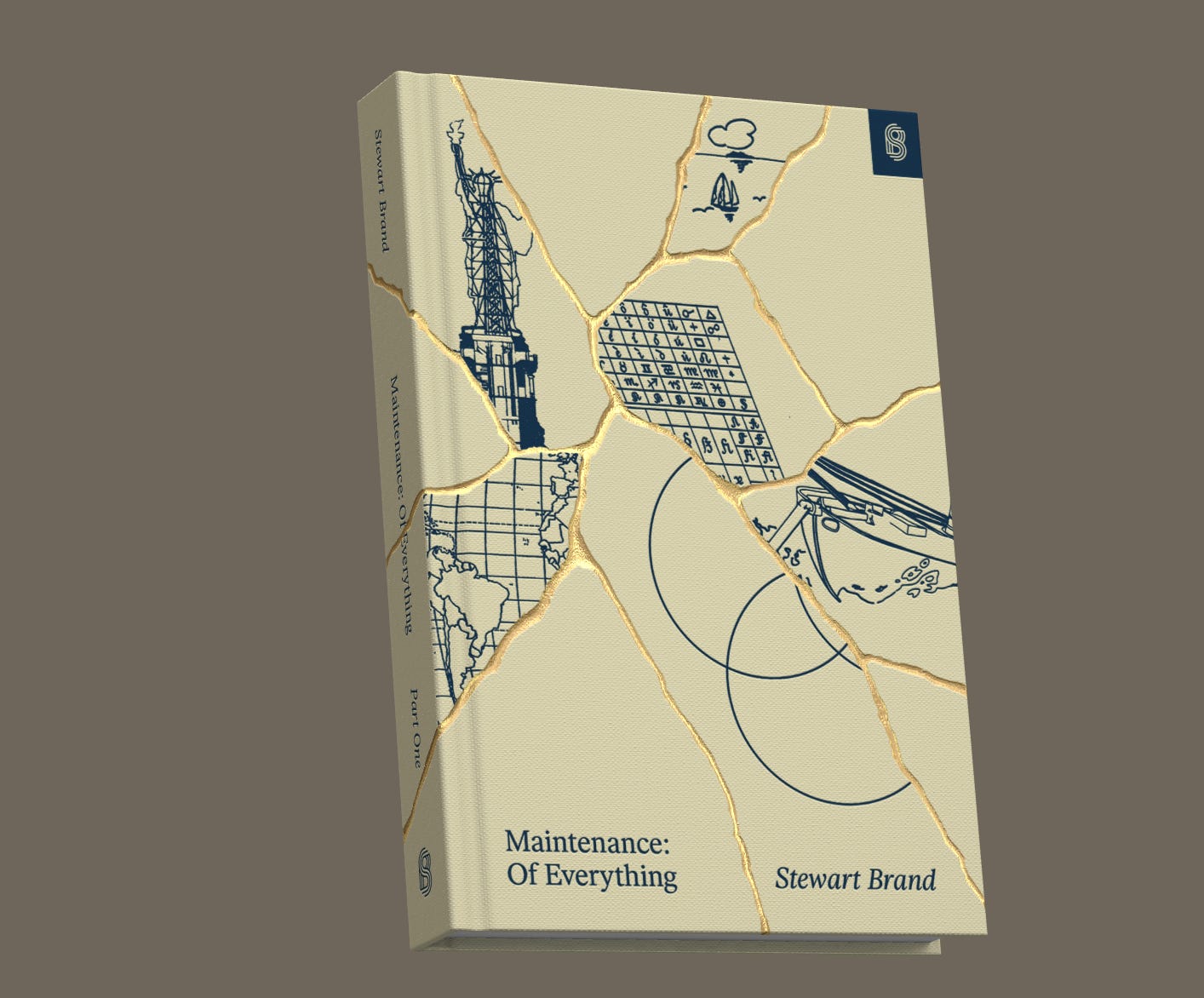
We must reclaim the maintenance that keeps people alive rather than the one that keeps systems standing.
~1 min read
For philosophy teams.

A theory of Primitive Accumulation applied to time. Just as capitalism once enclosed land to create value where there was none, it is now enclosing…
~2 min read
For history teams.

Modern efficiency hasn't solved volatility; it has just offloaded it onto you. An analysis of how the removal of buffers, inventory, and downtime…
~1 min read
For history teams.

Exploring how modern systems are built around an imaginary “reasonable” user, blaming real people for design failure and arguing for infrastructures…
~1 min read
For philosophy teams.

Explore how system architecture, not intent, makes harm the path of least resistance in institutions. Learn why brittleness and structural fragility…
~1 min read
For history teams.

Predictive systems don't "find patterns," they establish rules about who gets access, who faces scrutiny, whose harm matters less. Their builders…
~2 min read
For history teams.

AI's fluency removes the friction that keeps our heads on straight. On lucid disorientation, and rebuilding resistance to machines that never say no.
~1 min read
For philosophy teams.

Critiquing the myth of self-sufficiency and outlining a new politics of shared dependence, where care, maintenance, and cooperation become the…
~1 min read
For philosophy teams.
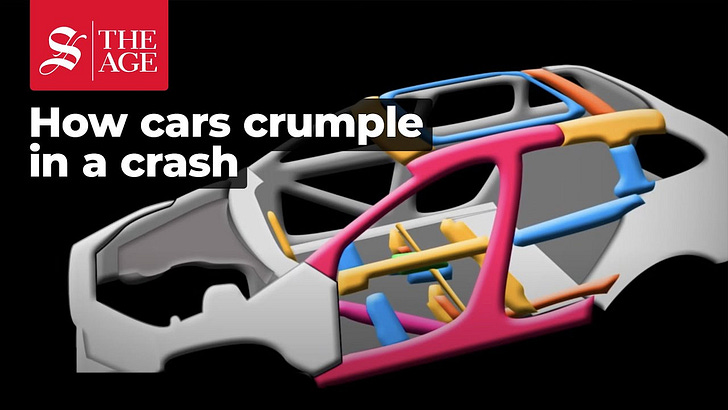
Machines once bent to save people. Now people bend to save machines. A design essay on how digital systems reverse the ethics of safety, making…
~1 min read
For philosophy teams.

A new framework for understanding persistence. This essay redefines stability, arguing that justice is the allocation of repair and proving…
~1 min read
For history teams.

Why embracing human limits can make our relationships, ethics, and systems more resilient. An essay on how dependence and maintenance define love,…
~1 min read
For history teams.

“Charismatic systems” replace persuasion with smoothness. From social media to AI ethics dashboards, design now governs through affect. This essay…
~2 min read
For history teams.

The real danger isn't that AI is cold and inhuman; it's that it's becoming perfectly, fluently "kind." "Counterfeit tenderness" is a new form of…
~1 min read
For history teams.

Empathy can’t scale, and conscience can’t keep up. This essay introduces Ethotechnics, a framework for embedding moral capacity directly into code,…
~2 min read
For history teams.

Before an institution can do immense harm, it must first learn to feel good about itself. It must learn to translate its contradictions into virtues…
~1 min read
For history teams.

Hospitals, platforms, universities, and economies all improve the metrics that define success while quietly eroding the conditions that make those…
~1 min read
For history teams.

The moral geometry of measurement, and how to read the metrics that lie without lying.
~1 min read
For history teams.

We’ve measured morality by character for too long. The Architecture of Goodness argues that ethics must be designed, not preached, replacing heroism…
~2 min read
For history teams.

When a society, an institution, or even a piece of software continually produces heroes, it offers clear evidence of a broken architecture.
~1 min read
For history teams.

Longevity isn’t virtue. The systems that last the longest often do so by pushing their stress onto others. This is how survival turns into capture.
~1 min read
For history teams.

We replaced repair with disposal. It’s time to build a more human world.
~1 min read
For history teams.

A good system shouldn’t need saints. It should metabolize harm before someone has to transcend it.
~1 min read
For history teams.

“Be real” is the gospel of our age, chanted by politicians claiming to speak from the heart, influencers in “no-filter” confessionals, and…
~1 min read
For philosophy teams.
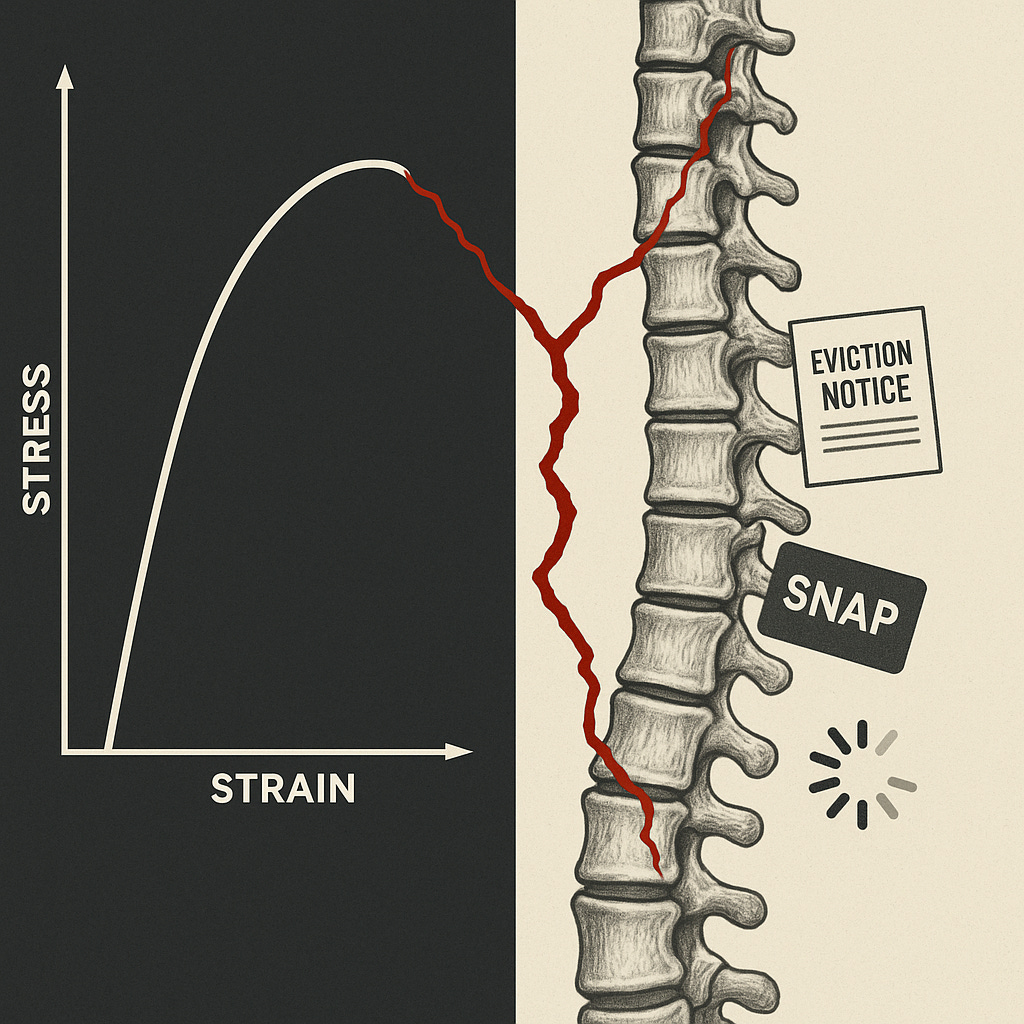
From medical implants to insurance portals, from stress fractures to eviction notices, the physics of failure hasn’t changed. What’s changed is the…
~1 min read
For philosophy teams.

Why the same harms keep recurring, no matter who is in charge.
~1 min read
For history teams.

In journalism, science, and law, we know that a single, smooth answer is dangerous. So why do we call it “best practice” when it comes from an…
~1 min read
For corporations teams.

What we call “vibes” today are the sedatives left after centuries of cutting survival out of culture
~1 min read
For history teams.

Stop searching for an ethical AI CEO. The job is impossible. The problem isn't a lack of individual virtue, but a system that makes virtue a…
~1 min read
For philosophy teams.

The powerful have always used the language of weather and physics to enforce their will. The best counter isn't a better argument—it's seeing the…
~1 min read
For history teams.

For more than a decade, we've treated misinformation as a problem of persuasion. Fact-checks, media literacy drives, AI detection tools all assume…
~1 min read
For philosophy teams.

Anarchism is often described like a bonfire: a political philosophy of no institutions, no coordination, just a perpetual “no.” But the anarchist…
~1 min read
For philosophy teams.

Sacralization is power’s aftermarket armor. It’s the trick that makes the preventable untouchable.
~1 min read
For history teams.
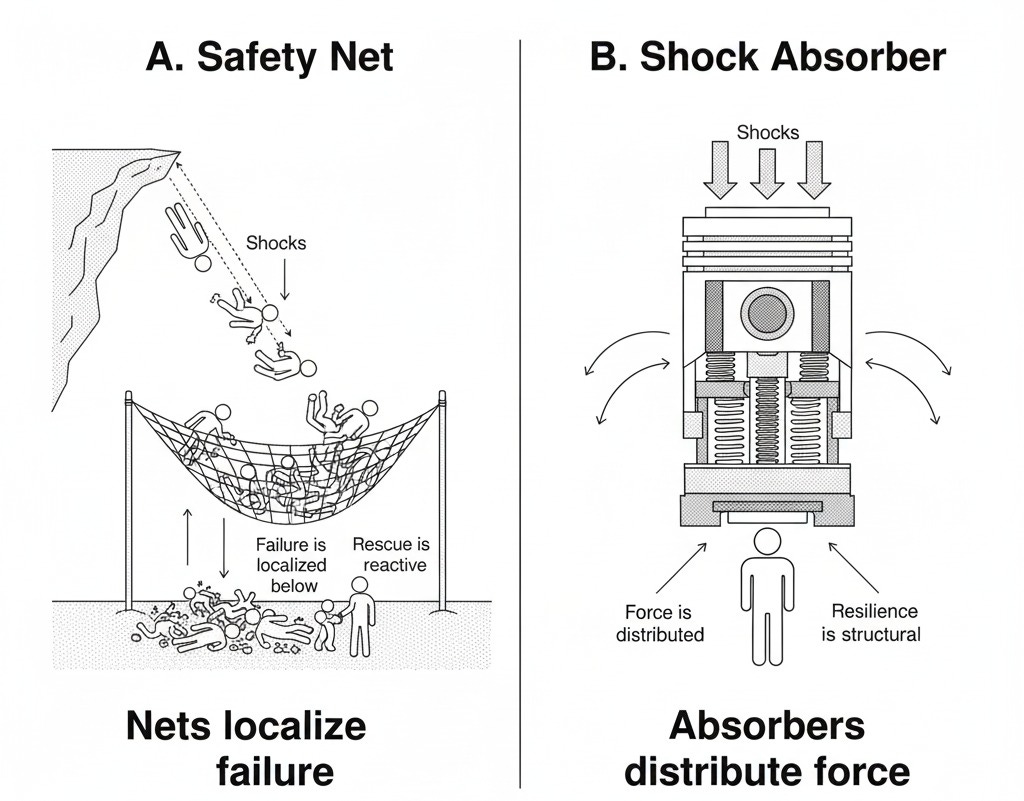
The political question isn’t if shocks arrive, but where the load lands. This essay reframes “policy” as applied physics—and legitimacy as a…
~1 min read
For history teams.

On Revision Privilege, a system that quietly distributes grace to the powerful while demanding finality from everyone else
~1 min read
For history teams.

Everywhere you look, people are proving how sorry they are through self-condemnation.
~1 min read
For politics teams.

Resisting rule by expertise is not anti-science or anti-technology; it is a defense of democracy
~1 min read
For philosophy teams.

The tell of empire isn’t its power, but the sheer work required to maintain its appearance of inevitability.
~1 min read
For history teams.

It’s quick, flattering, incomplete, and it puts the problem in human nature, not in the systems shaping people’s lives. But is it true?
~1 min read
For history teams.

Israel took the word “evil,” ran it through a supply-chain dashboard, and executed it in Gaza.
~1 min read
For history teams.

Ten years ago, Gilead Sciences did what modern medicine says it exists to do: it cured a disease.
~1 min read
For corporations teams.

Bureaucracy isolates us on purpose. Still, in the margins, people find each other.
~1 min read
For politics teams.

It’s the diagnosis pulled out whenever a doctor or nurse pushes back on some new system, tool, or “transformation.” To outsiders, it sounds…
~1 min read
For tech teams.

How American Policy Manufactures Bystander Inaction
~1 min read
For inherent care teams.

There’s a peculiar contradiction at the heart of modern public policy: Propose universal provision—unconditional meals, healthcare, housing, or…
~1 min read
For history teams.

From 1493 papal decrees to 2025 AI eviction pilots, and the single profit logic that sustains them.
~1 min read
For history teams.

How Denial Became a Revenue Stream—and What It Will Take to Break the Machine
~1 min read
For philosophy teams.

In health insurance, credit, and employment, private actors mine ZIP codes, prescription histories, résumé gaps, and spending habits to assign risk…
~1 min read
For politics teams.

It’s structural, intentional, and systemic.
~1 min read
For philosophy teams.

Ask someone outside the US to describe American life, and they might mention sprawling homes, last-minute December donations, business trips that…
~2 min read
For philosophy teams.

American power has long been driven by what I call an “ergonomic ideal”: squeezing every bit of extraction out of a system while disguising or…
~1 min read
For philosophy teams.

Why Denial Is the Core of Structural Power
~1 min read
For philosophy teams.

Power’s greatest conquest isn’t crushing lone rebels or dispersing crowds—it’s sneaking into the everyday interpersonal bonds we rely on.
~1 min read
For philosophy teams.

We’ve grown so accustomed to equating silence with peace that we overlook the heavy toll it exacts.
~1 min read
For philosophy teams.

I nearly scrapped this draft because I’d already unpacked institutional forgetting in The Amnesia Engine. My inner editor—raised on Omit needless…
~1 min read
For philosophy teams.

Capitalism doesn’t just cut corners—it cuts people out.
~1 min read
For philosophy teams.

I don’t want you to just avoid burnout, I want you to see labor as a site of struggle, defaults as political choices, and for us to reforge our…
~2 min read
For philosophy teams.
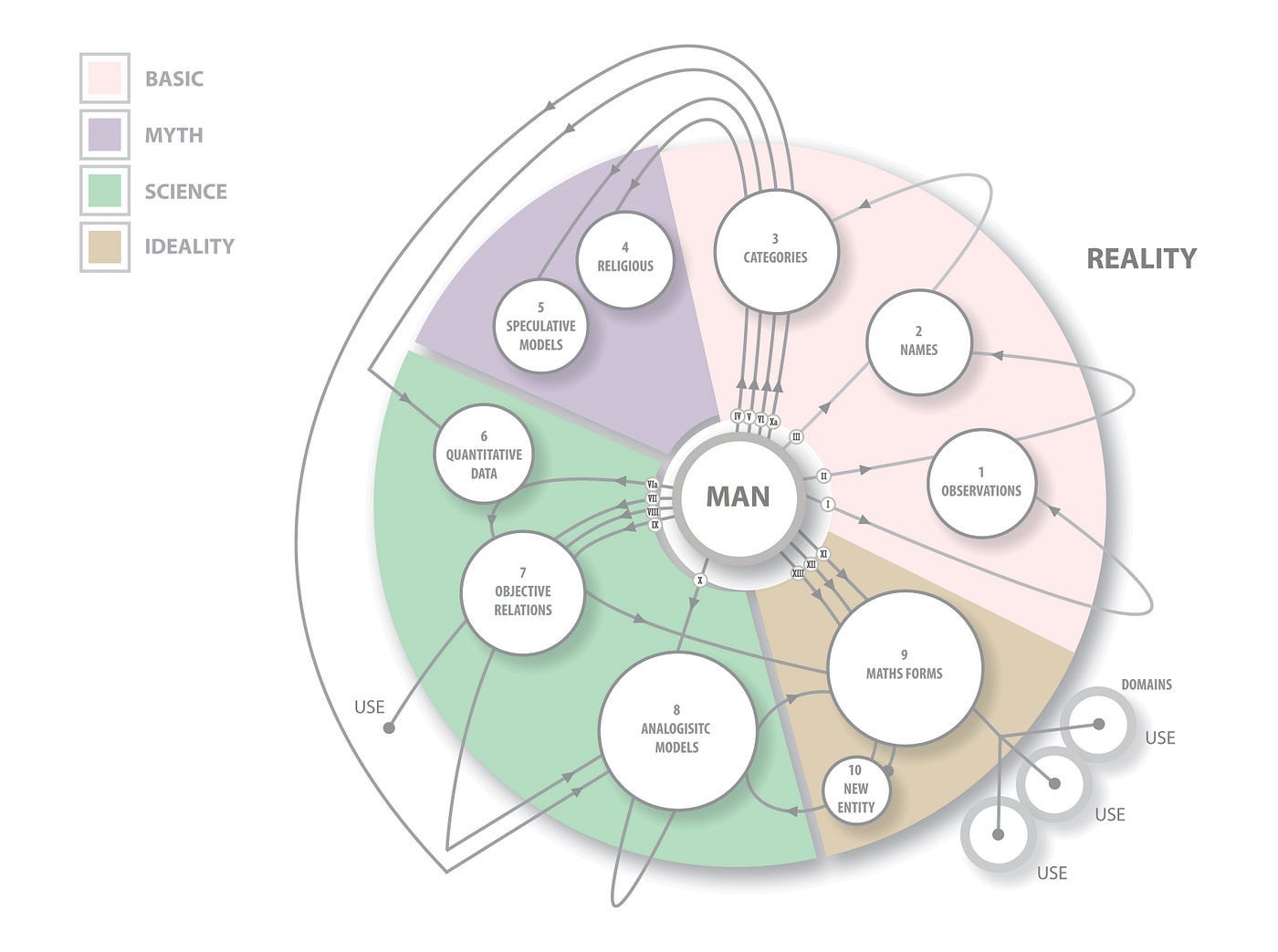
To confront planetary crisis meaningfully, we must insist on refusal, accountability, and explicit, structural consent.
~1 min read
For philosophy teams.
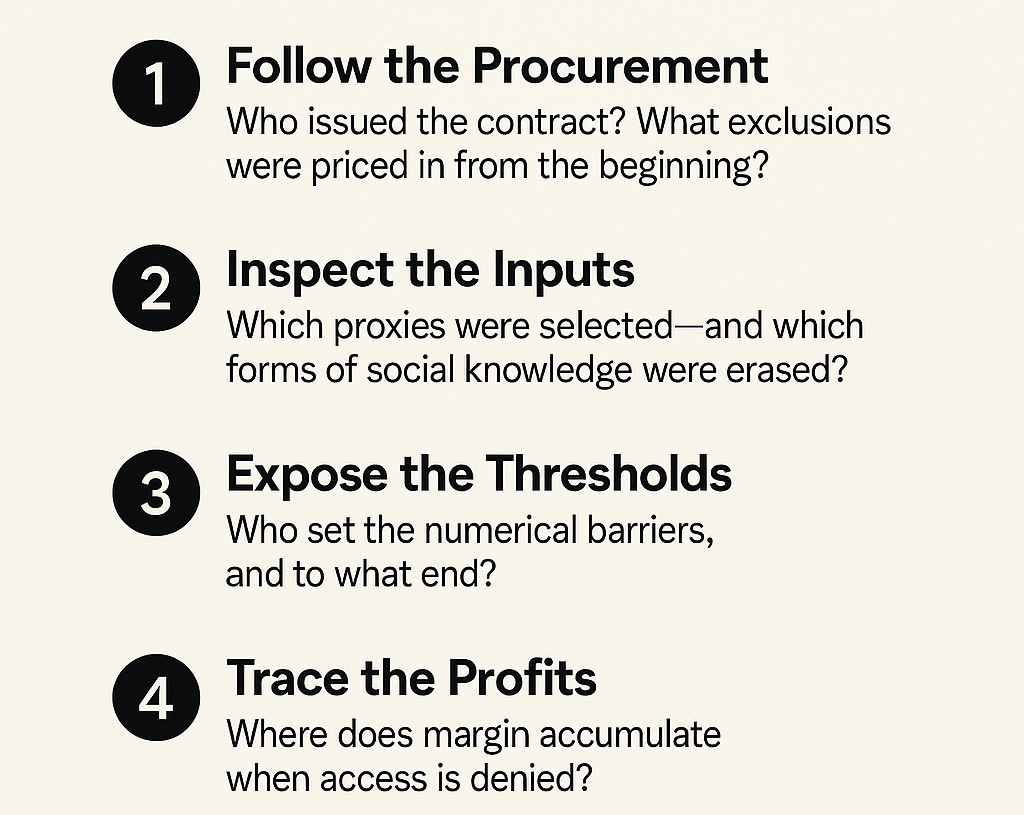
When systemic harm is repeated, profitable, and structured, complexity is not an explanation. It’s an alibi.
~1 min read
For philosophy teams.

How institutions metabolize critique, erase context, and make crisis their only teacher
~1 min read
For philosophy teams.

Why neutrality isn’t fairness—and what it hides when institutions say it is.
~1 min read
For philosophy teams.

Clarity that arrives before the group is ready gets coded as friction. And friction gets managed, not engaged with.
~1 min read
For corporations teams.

Seamlessness isn’t always neutral. It’s often subsidized—by someone else’s time, attention, and emotional capacity.
~1 min read
For philosophy teams.

Every hurricane season the ritual repeats: a governor steps to the mic, announces billions “secured on the capital markets,” and declares the state…
~1 min read
For politics teams.
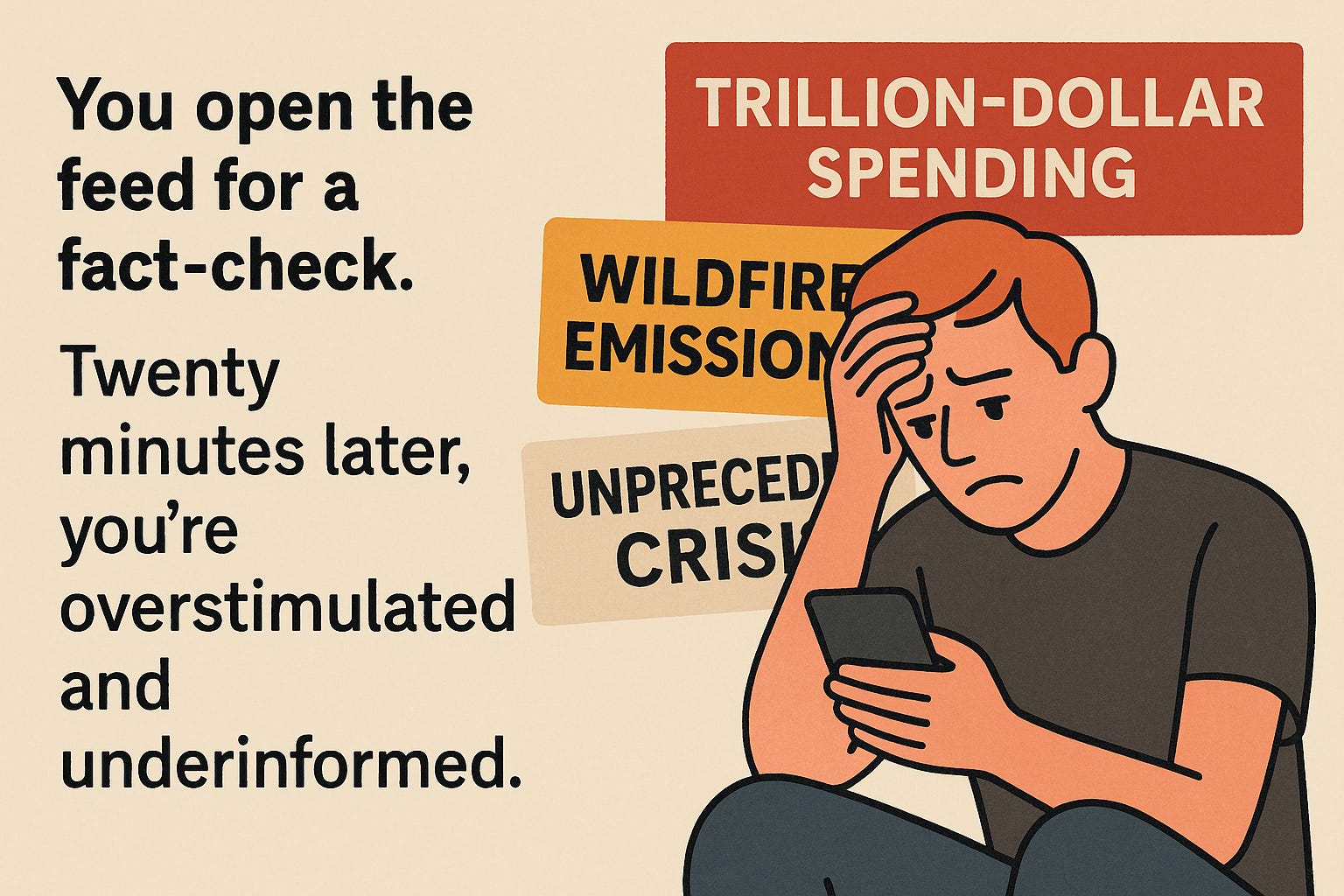
You open your phone to check the news; twenty minutes later you’re overstimulated and underinformed.
~1 min read
For philosophy teams.

In August 2024, we decided to end Andwise, with no formal press release, no dramatic pivot tweets—just a resolve to shut it down before becoming…
~1 min read
For tech teams.

While conventional thinking holds that only big bureaucracies can deliver universal healthcare, anarchist practices illustrate a very different…
~1 min read
For philosophy teams.

You arrive at the hospital from the airport, taking MARTA straight to Northside.
~1 min read
For philosophy teams.

Why Waiting for Boomers to Disappear Won’t Save Us
~1 min read
For philosophy teams.

Why “No” Makes Every “Yes” More Real
~1 min read
For philosophy teams.

We Grew Up Asking If We’d Get To Have Kids. Now We’re Asking If We Even Should.
~1 min read
For philosophy teams.

Real Cheaters Slip Away While the Vulnerable Get Flagged
~1 min read
For philosophy teams.

From the 1996 Olympics to SoDo’s “Tech-Led” Land Grab
~1 min read
For tech teams.

How Strict Building Rules Undermine Real Community
~1 min read
For tech teams.

AI won’t rescue us from our own willingness to discard people—it just magnifies it.
~1 min read
For philosophy teams.

We live in an environment flooded with illusions.
~1 min read
For philosophy teams.

Are You Afraid of Being Too Big An Ask?
~1 min read
For philosophy teams.

Once you label entire groups “too expensive,” friction-based eugenics is always just one step away
~1 min read
For philosophy teams.

Most institutions—hospitals, welfare agencies, workplaces, schools—claim to prioritize “care,” “efficiency,” or “fairness.” Yet behind polished…
~1 min read
For philosophy teams.

Or, Why We Can’t Debias Our Way Out of a System Built to Exclude
~1 min read
For philosophy teams.

How AI Helps Hospitals Quietly Filter Out Complex Patients and Call It “Efficiency”
~1 min read
For politics teams.

Gatekeeping is what blocks care, not scarcity.
~1 min read
For philosophy teams.








![Preview image for [Accept All] / [Reject All]](https://substackcdn.com/image/fetch/$s_!WciU!,f_auto,q_auto:good,fl_progressive:steep/https%3A%2F%2Fsubstack-post-media.s3.amazonaws.com%2Fpublic%2Fimages%2F32ef620f-2a9d-4817-8fb9-eeb5ec6de040_1024x860.png)